Introduction
Arranging furniture like a professional designer is not about copying expensive showroom layouts or buying luxury furniture. It is about understanding space, balance, movement, and how people actually live in a room. When furniture is placed correctly, a space feels comfortable, functional, and visually pleasing without feeling crowded or empty.
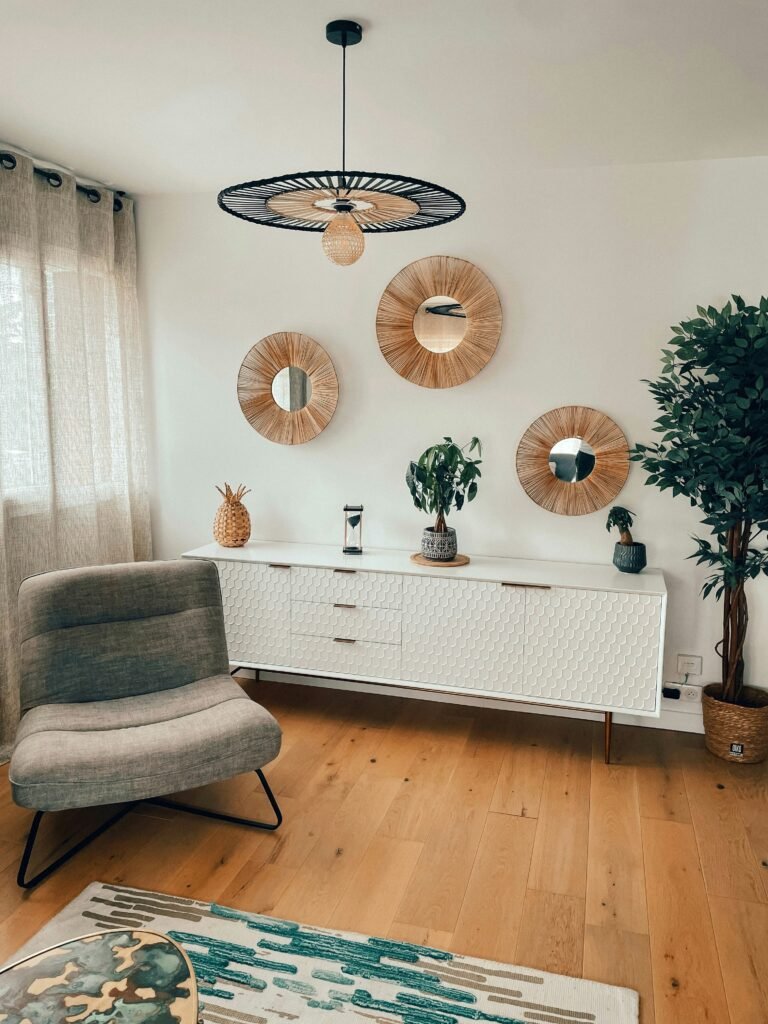
Professional furniture arrangement improves daily life by enhancing comfort, encouraging conversation, and allowing smooth movement throughout the room. Even a small or awkward space can feel well-designed with the right layout. By learning proven design principles and applying them step by step, you can arrange furniture like a pro and create a home that feels polished, welcoming, and practical.
Table of Contents
Understand the Purpose of the Room
Define the Primary Function
Every room should be arranged based on its main purpose. A living room may be used for relaxing, entertaining guests, watching television, or spending family time. Clearly defining this primary function helps guide all furniture placement decisions.
When Arrange Furniture Like a Pro supports how the room is used daily, the layout feels natural and comfortable. Purpose-driven design is the foundation of professional furniture arrangement.
Identify Secondary Functions
Many modern homes use one room for multiple activities. A living room may include a reading corner, a small workspace, or a children’s play area. Identifying these secondary functions helps you plan separate zones without cluttering the space.
Thoughtful zoning allows one room to serve multiple needs while still feeling organized and balanced.
Start with Accurate Measurements
Measure the Room Thoroughly
Professional designers always begin with accurate measurements. Measure the length, width, and height of the room, including doorways, windows, and architectural features. This prevents overcrowding and awkward Arrange Furniture Like a Pro placement.
Knowing your room’s dimensions helps you visualize layouts and avoid costly mistakes.
Measure All Furniture Pieces
Before arranging furniture, measure sofas, chairs, tables, cabinets, and shelves. Furniture that is too large can overwhelm a room, while pieces that are too small can feel disconnected. Proper measurements ensure balance and proportion.
Correct scale makes the entire layout feel intentional and professional.
Create a Strong Focal Point
Identify the Natural Focal Point
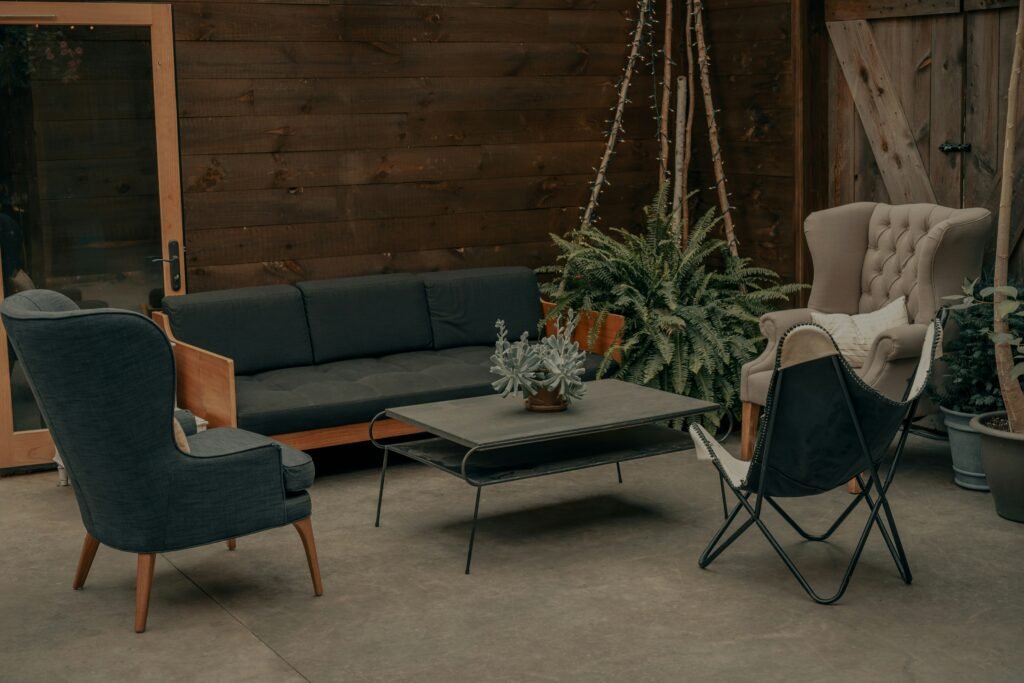
Every well-Arrange Furniture Like a Pro room needs a focal point that naturally draws attention. This could be a fireplace, large window, television, statement artwork, or accent wall. The focal point anchors the entire furniture layout.
Without a focal point, furniture placement often feels random and unstructured.
Arrange Furniture Around the Focal Point
Once the focal point is identified, arrange seating and major Arrange Furniture Like a Pro to face or frame it. This creates visual order and gives the room a clear sense of direction.
Centered layouts feel more cohesive and professionally designed.
Plan a Balanced Furniture Layout
Balance Visual Weight
Balance is one of the most important principles in professional furniture arrangement. Distribute heavy and light Arrange Furniture Like a Pro evenly across the room. Distribute larger pieces evenly to maintain visual balance.
Balanced layouts feel calm, stable, and visually pleasing.
Symmetrical vs Asymmetrical Layouts
Symmetrical Arrange Furniture Like a Pro create a formal and structured appearance, while asymmetrical layouts feel relaxed and modern. Choose the approach that suits your style and the room’s purpose.
Both layouts can look professional when executed thoughtfully.
Maintain Proper Traffic Flow
Allow Easy Movement
Professional furniture layouts always consider how people move through the room. Leave enough space for comfortable walking between furniture pieces. Narrow or blocked pathways make rooms feel cramped and inconvenient.
Smooth traffic flow improves both comfort and usability.
Avoid Pushing Furniture Against Walls
Placing all furniture against the walls often makes a room feel empty in the center. Pulling furniture slightly inward creates a more intimate and balanced arrangement.
Floating furniture adds depth and a designer-level finish.
Choose the Right Furniture Scale
Match Furniture to Room Size
Furniture should always be proportional to the room. Oversized furniture dominates small spaces, while undersized furniture feels lost in large rooms. Choosing the right scale brings harmony.
Proper sizing enhances comfort and visual appeal.
Mix Large and Small Pieces
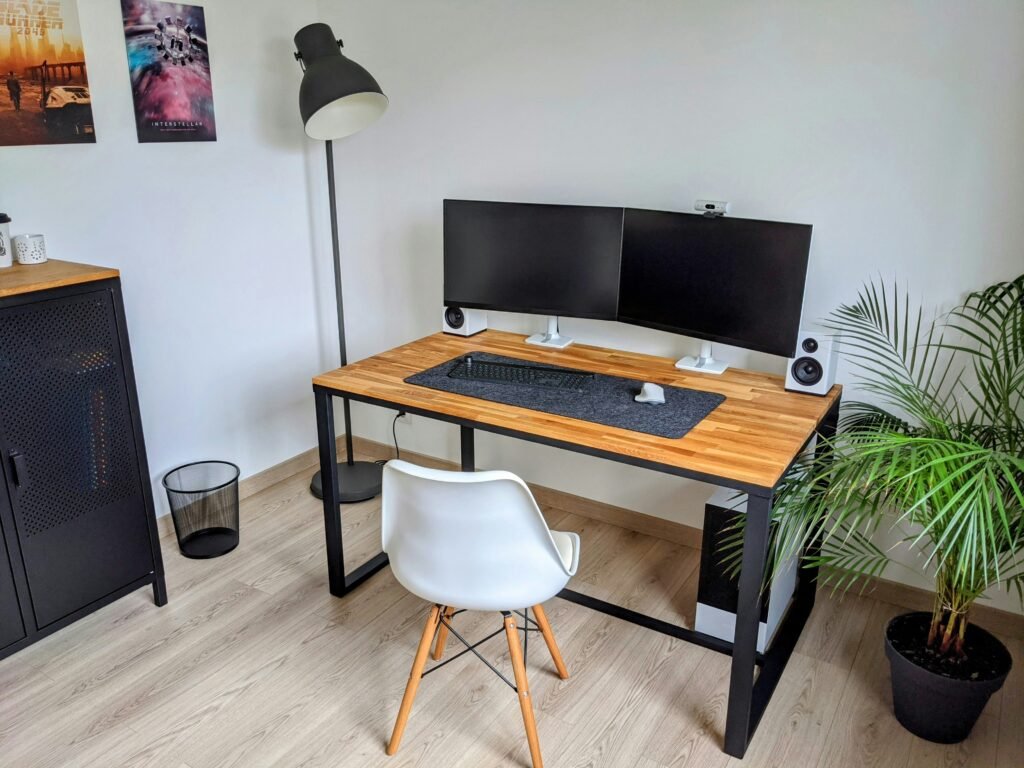
Combine large anchor pieces, such as sofas, with smaller accent Arrange Furniture Like a Pro like side tables or chairs. This prevents monotony and keeps the layout visually interesting.
Variety adds professional polish.
Arrange Seating Like a Professional Designer
Create Conversation-Friendly Seating
Arrange Furniture Like a Pro sofas and chairs so people can comfortably face each other. Seating should be close enough for conversation without feeling crowded. Avoid placing chairs too far apart.
Conversation-focused layouts feel welcoming and social.
Use Area Rugs to Anchor Seating
Area rugs help define seating arrangements and visually connect Arrange Furniture Like a Pro pieces. Make sure the front legs of sofas and chairs sit comfortably on the rug.
Rugs create unity and structure.
Master the Use of Rugs in Furniture Arrangement
Select the Correct Rug Size
Choosing the correct rug size is essential for a professional look. A rug that’s too small can make furniture look unanchored and separate. Larger rugs create cohesion and balance.
Proper rug sizing elevates the entire room.
Position Rugs Strategically
Place rugs centered beneath main furniture groupings. In open-plan homes, rugs help define different zones without using walls.
Rugs bring subtle organization to open spaces.
Use Lighting to Support Furniture Placement
Plan Lighting Around Furniture
Lighting should complement how furniture is arranged. Place table lamps near seating areas for reading and relaxation. Lighting helps highlight functional zones.
Well-planned lighting enhances usability and comfort.
Layer Multiple Light Sources
Combine overhead lights, floor lamps, and table lamps for depth. Layered lighting adds warmth and dimension to furniture arrangements.
Lighting completes the professional look.
- Link New Post
Work with Architectural Features
Respect Windows and Doors
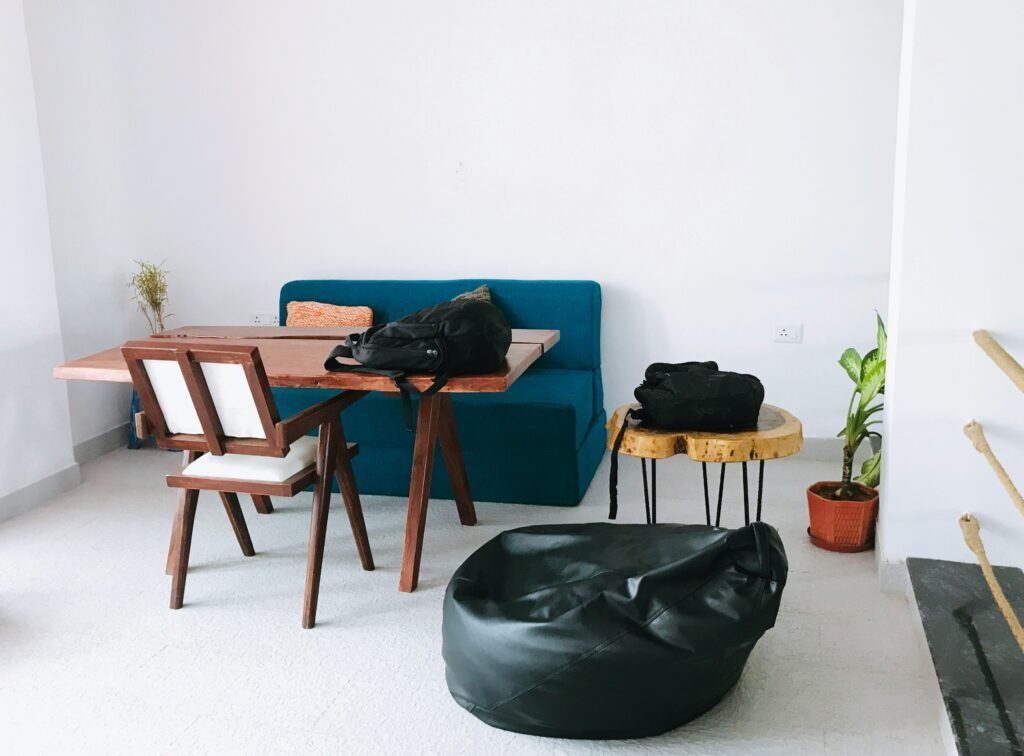
Avoid blocking windows with tall Arrange Furniture Like a Pro whenever possible. Allow daylight to move effortlessly throughout the space. Furniture placement should work with architectural elements, not against them.
Bright rooms feel open and inviting.
Use Alcoves and Columns Effectively
Architectural details can guide furniture placement. Alcoves can become cozy seating areas or storage zones. Columns help naturally divide large spaces.
Good design respects existing structure.
Arrange Furniture in Small Rooms
Keep Furniture Minimal
Small rooms benefit from fewer furniture pieces. Choose multifunctional Arange Furniture Like a Pro and avoid unnecessary items. Open space improves comfort and flow.
Minimal layouts make small rooms feel larger.
Use Vertical Space Wisely
Wall-mounted shelving and tall cabinets help keep the floor area open.. Vertical design keeps small rooms balanced and functional.
Vertical storage maximizes space.
Arrange Furniture Like a Pro in Large Rooms
Create Defined Zones
Large rooms can feel overwhelming without structure. Use furniture to create zones for seating, reading, dining, or working.
Zoning improves organization and usability.
Anchor Each Zone
Each zone should have a visual anchor such as a rug or main Arrange Furniture Like a Pro piece. Anchors prevent large spaces from feeling scattered.
Anchors bring clarity to large layouts.
Room-by-Room Furniture Arrangement Tips
Living Room Layout Tips
In living rooms, focus on comfort and conversation. Arrange Furniture Like a Pro seating around a focal point and keep walkways clear. Let rugs and lighting shape and highlight each area of the room.
A well-arranged living room feels welcoming and balanced.
Bedroom Arrange Furniture Like a Pro Arrangement
In bedrooms, the bed should be the main focal point. Leave space on both sides for easy movement and place nightstands within reach.
Balanced bedroom layouts promote rest and relaxation.
Dining Room Arrangement
In dining rooms, center the table under the light fixture. Ensure enough space for chairs to move freely. Sideboards should not block pathways.
Good spacing improves dining comfort.
Home Office Arrangement
In home offices, position the desk for good lighting and minimal distractions. Storage should be accessible without overcrowding.
Functional layouts support productivity.
Use Accessories to Complete the Layout
Place Tables for Function
Coffee tables and side tables should be within easy reach of seating. Proper placement improves everyday comfort.
Functional tables support daily use.
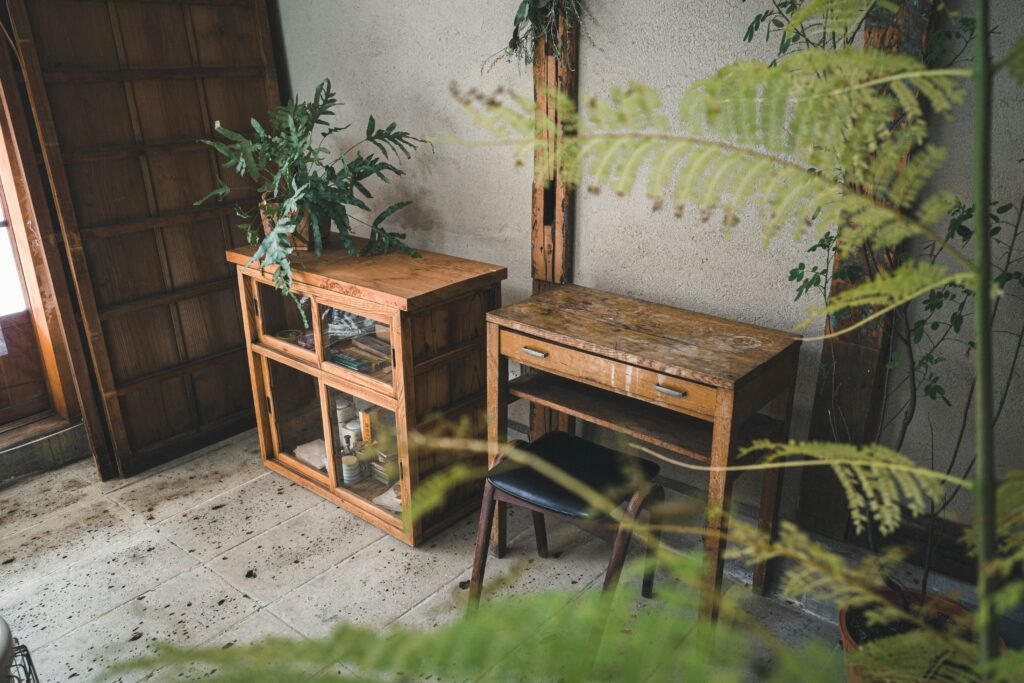
Style Accessories Thoughtfully
Accessories should enhance Arrange Furniture Like a Pro placement, not clutter it. Use décor to fill visual gaps and add personality.
Thoughtful styling completes the design.
Common Furniture Arrangement Mistakes
Overcrowding the Space
Too much furniture makes a room feel cramped and uncomfortable. Always leave breathing room around each piece.
Space improves visual clarity.
Ignoring Scale and Proportion
Arrange Furniture Like a Pro that does not match the room’s scale disrupts balance. Measuring before arranging helps avoid this mistake.
Proportion ensures harmony.
Professional Styling Tips for a Polished Look
Step Back and Edit
After arranging furniture, step back and view the room from multiple angles. Small adjustments often improve balance.
Editing refines the final look.
Be Flexible and Experiment
Furniture arrangement is not permanent. Experimenting with layouts helps you discover what works best for your lifestyle.
Flexibility leads to better design decisions.
Feng Shui and Flow Considerations
Maintain Energy Flow
Furniture placement affects how energy flows through a room. Avoid blocking entrances and pathways. Open layouts encourage positive energy.
Good flow improves comfort and mood.
Balance Yin and Yang
Mix soft and hard elements for balance. Pair upholstered furniture with wood or metal pieces.
Balanced elements create harmony.
Long-Term Furniture Arrangement Maintenance
Reassess Layout Regularly
As needs change, furniture layouts should adapt. Reassessing placement keeps rooms functional and comfortable.
Regular updates maintain freshness.
Avoid Impulse Changes
Make thoughtful adjustments instead of frequent random changes. Intentional decisions preserve balance and style.
Consistency protects design quality.
Final Pro Checklist
Before Finalizing the Layout
Check measurements, confirm clear walkways, and ensure furniture supports the room’s purpose. Adjust lighting and rugs as needed.
A checklist ensures professional results.
After Completion
Live with the layout for a few days and make minor changes if needed. Comfort should always come first.
Practical testing improves satisfaction.
Conclusion
Arranging furniture like a pro is about understanding space, function, and balance rather than following strict rules. By measuring carefully, creating focal points, maintaining flow, and choosing the right scale, you can achieve professional-quality results in any room.
With patience, thoughtful planning, and a willingness to adjust, any space can feel comfortable, stylish, and well-organized. Smart furniture arrangement transforms a house into a functional and inviting home.