Table of Contents
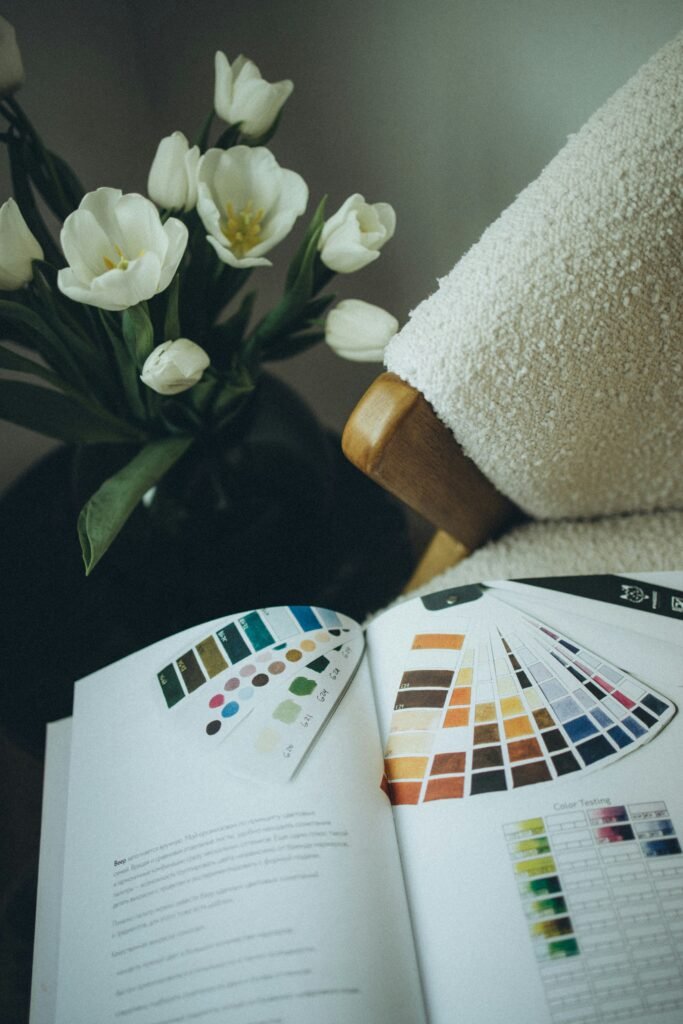
Creating a visually appealing home is not just about buying beautiful furniture or expensive décor. The real magic lies in knowing how to balance colors and textures in your home so that every space feels harmonious, comfortable, and stylish. When colors and textures work together, they create depth, warmth, and personality without overwhelming the room.
Many homeowners struggle with spaces that feel flat, cluttered, or mismatched. This often happens when colors clash or textures are ignored. Learning how to balance colors and textures in your home helps you design rooms that look intentional and professionally styled, even on a modest budget.
In this guide, we will explore practical, easy-to-apply strategies that interior designers use. From choosing the right color palette to layering textures correctly, this article will help you transform your living space into a balanced and inviting home.
Understanding the Relationship Between Color and Texture
Color and texture are two essential design elements that work best when used together. Color sets the mood, while texture adds dimension and interest. Ignoring either one can make a room feel incomplete or visually dull.
When you understand how to balance colors and textures in your home, you start seeing spaces as layered compositions rather than flat surfaces. A neutral color palette can feel rich with the right textures, while bold colors can feel refined when balanced properly.
Texture also affects how we perceive color. Matte finishes soften colors, while glossy surfaces make them appear brighter. Recognizing this relationship is key to creating a cohesive interior design.
Start with a Clear Color Palette
A well-defined color palette is the foundation of balanced interior design. Before adding textures or décor, decide on a base color scheme that will guide your choices. This makes it easier to maintain consistency throughout your home.
Design the palette by keeping 60% for the main shade, 30% for a supporting tone, and the remaining 10% for bold accents. This method helps you understand how to balance colors and textures in your home without overwhelming the space.
Neutral palettes offer flexibility and timeless appeal, while bold palettes create drama and personality. The key is choosing colors that complement each other and reflect the mood you want to achieve.

Use Neutral Colors as a Strong Base
Neutral colors like white, beige, gray, and soft taupe are excellent foundations. They create calm backgrounds that allow textures to stand out naturally. Neutrals also make rooms feel more open and airy.
When learning how to balance colors and textures in your home, neutrals help you experiment without risk. You can introduce textures through fabrics, wood, stone, or metal without clashing.
Layering different shades of the same neutral color adds sophistication. This technique prevents monotony while keeping the overall look cohesive and elegant.
Add Depth with Layered Textures
Texture brings life to a room by engaging the sense of touch visually. A space with only smooth surfaces often feels cold or unfinished. Mixing textures adds warmth and visual depth.
Soft textiles like rugs, curtains, and cushions contrast beautifully with hard surfaces like wood or metal. This contrast is essential when mastering how to balance colors and textures in your home.
Even subtle textures, such as linen upholstery or matte wall paint, can make a noticeable difference. The goal is to create layers that feel intentional and balanced.
Balance Smooth and Rough Surfaces
A well-designed room includes a mix of smooth and rough textures. Too many smooth surfaces can feel sterile, while too many rough textures may feel chaotic.
For example, pair a sleek leather sofa with a chunky knit throw or a rustic wooden coffee table. This contrast enhances comfort and style. Understanding how to balance colors and textures in your home means knowing when to soften and when to refine.
Natural materials like wood, stone, and woven fibers add organic texture that grounds the space and creates a welcoming atmosphere.
Use Color to Highlight Texture
Color can be used strategically to emphasize texture. Monochromatic schemes are especially effective for this purpose. When different textures share the same color, they stand out without competing.
This technique is ideal for minimal interiors. It allows you to explore how to balance colors and textures in your home while maintaining a clean and modern look.
For instance, a white room can feel dynamic when it includes textured walls, plush rugs, and soft upholstery. The variation in texture prevents the space from feeling flat.

Introduce Patterns Carefully
Patterns are a combination of color and texture, and they should be used thoughtfully. Too many patterns can overwhelm a room, while too few can make it feel plain.
When using patterns, vary their scale. Combine large patterns with smaller ones to create visual balance. This approach supports how to balance colors and textures in your home effectively.
Maintain a unified color scheme while combining different patterns.. This ensures harmony while still allowing for creative expression.
Choose the Right Fabrics for Comfort and Style
Fabrics play a major role in balancing textures. Velvet, linen, cotton, and wool each offer a different feel and appearance. Mixing these materials adds richness to your interior.
Soft fabrics create comfort, while structured fabrics add formality. Knowing how to balance colors and textures in your home involves selecting fabrics that match the function of each room.
In living areas, prioritize comfort with plush textures. In formal spaces, opt for refined materials that enhance elegance.
Incorporate Natural Elements
Nature is one of the best teachers of balance. Incorporating natural elements like wood, plants, stone, and clay adds organic texture and warmth.
Plants introduce both color and texture effortlessly. They soften hard edges and bring life into any space. This is a simple way to practice how to balance colors and textures in your home naturally.
Natural materials also age beautifully, adding character and authenticity to your interiors over time.
Use Accent Colors Strategically
Accent colors add personality and interest, but they should be used sparingly. Too many accent colors can disrupt visual harmony.
Use accent colors in small doses through cushions, artwork, or décor objects. This keeps the focus balanced and intentional. Understanding how to balance colors and textures in your home means knowing when to stop.
Accent colors work best when they complement the existing palette rather than compete with it.
Pay Attention to Wall Treatments
Walls are large surfaces that significantly impact the look of a room. Textured wallpapers, paneling, or subtle paint finishes can add depth without overwhelming.
A feature wall is a great way to introduce texture or color. It draws attention while maintaining balance. This technique supports how to balance colors and textures in your home effectively.
Avoid over-decorating all walls. Balance comes from contrast and restraint.
Balance Light with Color and Texture
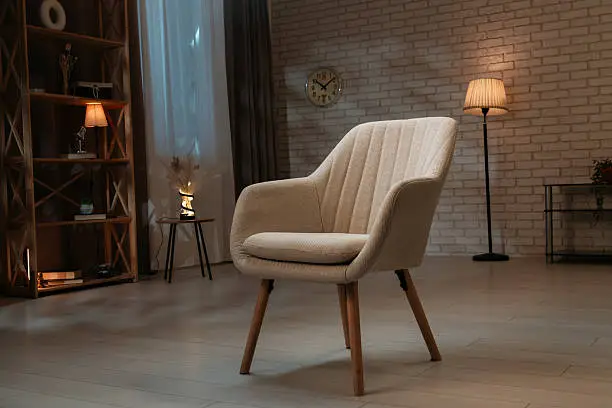
Lighting affects how colors and textures are perceived. Natural light enhances textures, while artificial lighting can soften or highlight surfaces.
Warm lighting complements rich textures, while cool lighting works well with sleek finishes. Knowing how to balance colors and textures in your home includes understanding lighting choices.
Layered lighting—ambient, task, and accent—adds depth and dimension to your space.
Create Visual Flow Between Rooms
Consistency across rooms creates a sense of flow. While each room can have its own personality, repeating colors or textures helps connect spaces.
Use similar materials or color tones throughout your home. This reinforces how to balance colors and textures in your home on a larger scale.
Visual flow makes your home feel cohesive rather than disjointed.
Avoid Common Mistakes
One common mistake is using too many bold colors without enough neutral balance. Another is relying on color alone without texture.
Avoid matching everything perfectly. Slight variation adds interest and realism. Learning how to balance colors and textures in your home means embracing imperfection thoughtfully.
Balance is about harmony, not uniformity.
Final Thoughts
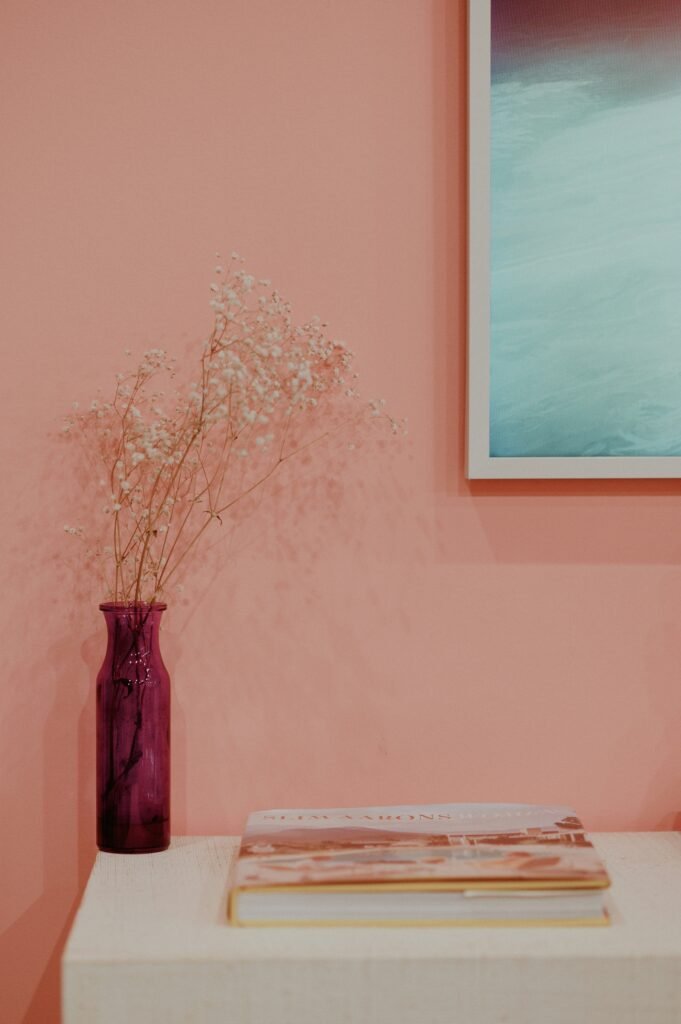
Mastering how to balance colors and textures in your home is a skill that transforms ordinary spaces into extraordinary ones. It allows you to create interiors that feel layered, inviting, and visually appealing.
By choosing a clear color palette, layering textures, and maintaining balance, you can design a home that reflects your personality and lifestyle. These principles work for any budget and any style.
With patience and creativity, you can achieve a home that feels both beautiful and comfortable—one where every color and texture works together in perfect harmony.