Introduction
Creating a warm and inviting space is one of the most meaningful goals in interior design. A home should not only look beautiful but should also feel comforting, welcoming, and emotionally soothing for everyone who enters it. When a space feels warm, it naturally encourages relaxation, connection, and a sense of belonging. This emotional comfort is what truly transforms a house into a home.
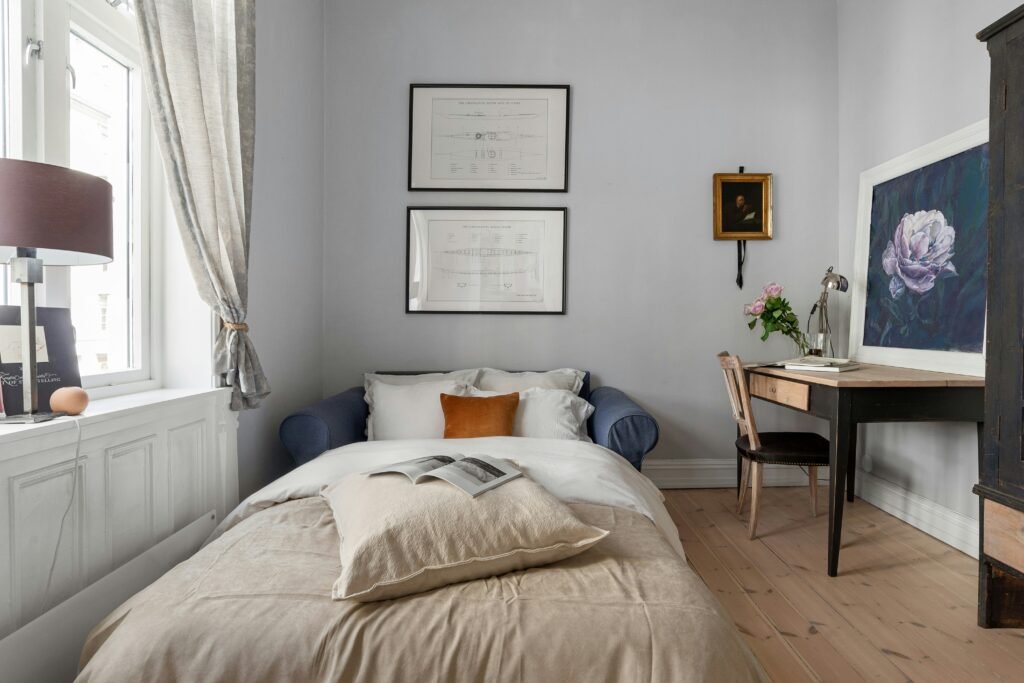
A warm and inviting space is not achieved through decoration alone. It is the result of thoughtful decisions involving color palettes, lighting choices, textures, furniture placement, materials, and personal touches. Whether you are decorating a small apartment or a spacious home, the principles remain the same. With the right approach, any space can feel cozy, balanced, and welcoming.
What Creates a Cozy and Welcoming Space
Emotional Impact of Interior Design
Table of Contents
Interior design has a powerful influence on emotions. A Warm and Inviting Space helps people feel safe, calm, and relaxed. When a room feels emotionally comfortable, it becomes a place where people naturally want to spend time.
Design elements such as soft lighting, warm colors, and comfortable furniture reduce stress and create an environment that feels supportive rather than overwhelming.
Balancing Comfort and Style
An inviting space balances comfort with visual appeal. Rooms that focus only on trends may look stylish but often feel cold or unwelcoming. On the other hand, overly cozy spaces can feel cluttered and heavy.
The key is finding harmony between beauty and function so the space feels effortless and livable.
Choosing a Warm and Welcoming Color Palette
Warm Neutrals as a Foundation
Color is one of the most important elements in creating a warm and inviting space. Warm neutrals such as cream, beige, taupe, warm gray, and soft brown provide a calming base. These shades reflect light gently and soften the overall look of a room.
Warm neutrals create a timeless background that feels relaxing and welcoming.
Adding Depth with Accent Colors
Accent colors add personality and depth without overpowering the Warm and Inviting Space. Muted greens, dusty blues, rust tones, terracotta, and warm mustard shades work beautifully in warm interiors.
Using accent colors in cushions, throws, artwork, or small décor pieces adds character while maintaining balance.
Layering Textures for a Cozy Atmosphere
Why Texture Is Essential
Texture plays a major role in making a space feel warm. Without texture, even well-designed rooms can feel flat and lifeless. Layering textures creates visual interest and makes a space feel lived-in.
Different textures invite touch and add comfort to the environment.
Mixing Soft and Natural Materials
Soft materials like cotton, linen, wool, and velvet add coziness, while natural materials such as wood, jute, rattan, and stone bring warmth and grounding energy.
Combining these materials creates a balanced and inviting atmosphere.
Lighting That Creates Warmth and Ambiance
The Importance of Soft Lighting
Lighting greatly influences the mood and feel of a room. Harsh overhead lighting can make rooms feel cold and uninviting. Soft, Warm and Inviting Space lighting creates intimacy and comfort.
Warm-toned bulbs instantly make a space feel more relaxing.
Using Layered Lighting
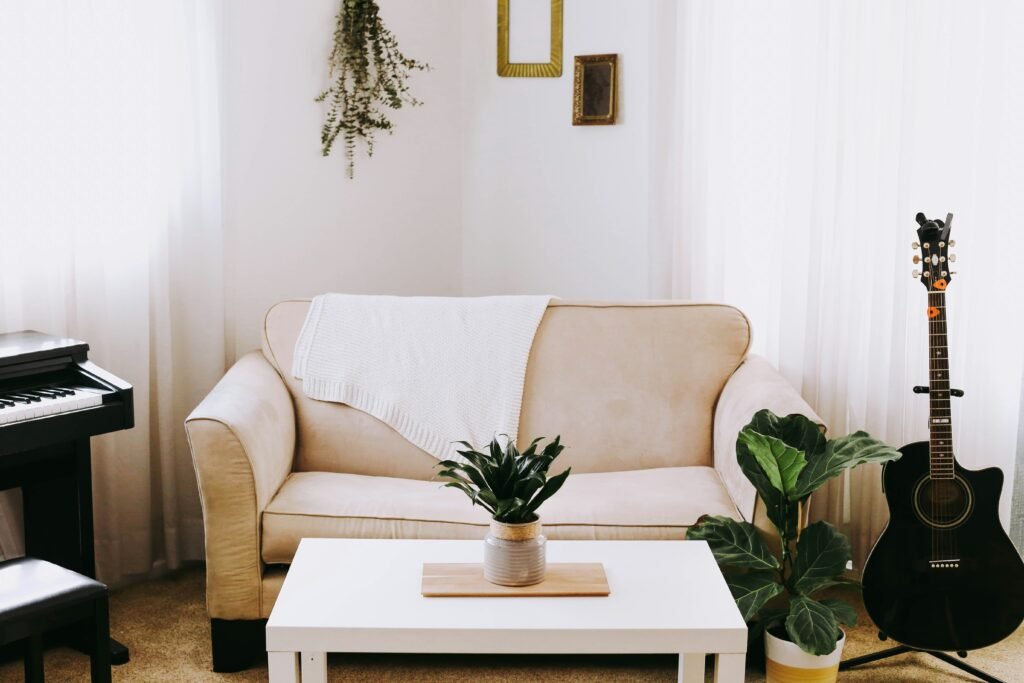
A warm and inviting space uses layered lighting. Ambient lighting provides overall illumination, task lighting supports daily activities, and accent lighting adds mood and depth.
Multiple light sources make a room feel cozy and flexible.
Furniture Choices That Enhance Comfort
Selecting Comfortable Furniture
Furniture should feel as good as it looks. Comfortable seating with soft cushions and supportive shapes encourages people to relax and stay longer.
Comfort-focused furniture makes spaces more inviting.
Choosing Warm Materials and Finishes
Furniture made from wood, upholstered fabrics, or matte finishes feels warmer than glossy or metal-heavy pieces.
Natural finishes add visual warmth and timeless appeal.
Furniture Arrangement for an Inviting Layout
Creating Conversation-Friendly Spaces
Furniture arrangement should encourage interaction. Sofas and chairs placed facing each other naturally promote conversation and connection.
Good layout improves flow and comfort.
Avoiding Overcrowding
Overcrowding a room with furniture can make it feel tight and confined. Leaving open pathways allows the room to breathe and feel more welcoming.
Negative Warm and Inviting Space adds calm and balance.
Using Rugs to Add Warmth and Structure
Choosing the Right Rug Size
The right-sized rug grounds the furniture and outlines the room. Rugs that are too small can make rooms feel disconnected.
The right rug size creates visual harmony.
Selecting Cozy Rug Materials
Wool, shag, and natural fiber rugs add warmth, texture, and softness underfoot. Rugs also help absorb sound and reduce echo.
A cozy rug instantly makes a room feel more comfortable.
- Read This More
Incorporating Natural Elements
Bringing Greenery Indoors
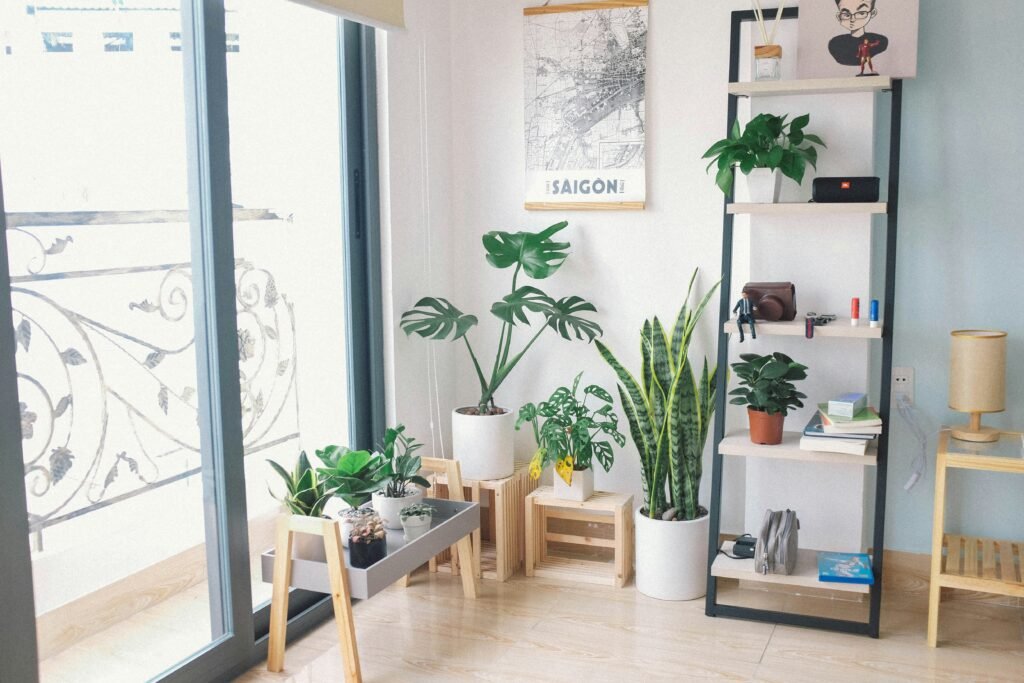
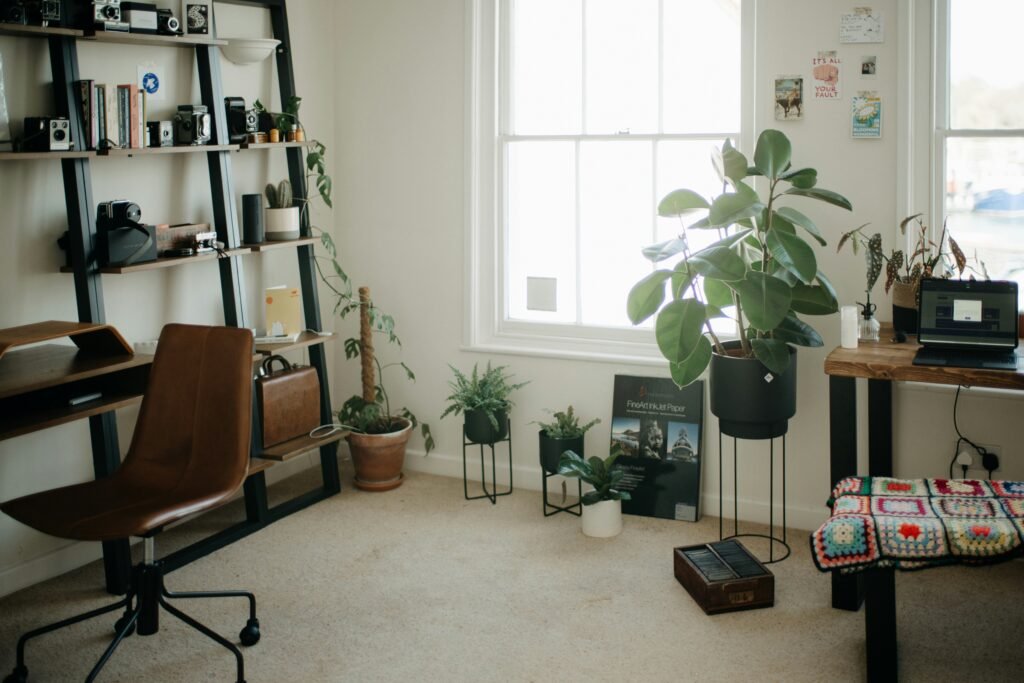
Plants add life, freshness, and warmth to interiors. They soften sharp lines and create a calming environment.
Even a few plants can significantly enhance the feeling of a Warm and Inviting Space.
Using Wood and Organic Materials
Wood furniture, décor, and accents add natural warmth. Organic materials create a sense of authenticity and connection to nature.
Natural elements make spaces feel grounded and welcoming.
Adding Personal Touches That Feel Meaningful
Displaying Personal Items
Personal details such as family photos, travel souvenirs, books, and artwork make a home feel lived-in and inviting.
These items reflect personality and create emotional warmth.
Editing to Prevent Clutter
While personal items are important, too many can feel overwhelming. Choose a few meaningful pieces and display them intentionally.
Curated décor feels calm and balanced.
Window Treatments That Add Softness
Choosing the Right Curtain Fabrics
Curtains made from linen, cotton, or velvet add softness and elegance. Floor-length curtains make rooms feel finished and cozy.
Fabric adds warmth visually and physically.
Maximizing Natural Light
Natural light enhances warmth and openness. Use light-filtering curtains to maintain privacy while allowing daylight to enter.
Sunlight makes spaces feel alive.
Wall Décor That Feels Inviting
Selecting Art That Creates Calm
Artwork sets the emotional tone of a room. Pieces with Warm and Inviting Space colors, soft textures, or nature-inspired themes create a soothing atmosphere.
Art influences mood and comfort.
Creating Balanced Wall Displays
Avoid overcrowding walls. Whether using a single statement piece or a gallery wall, spacing should feel intentional.
Balanced walls feel peaceful and welcoming.
Using Scent and Sound to Enhance Warmth
Creating a Pleasant Scent
Scent is a powerful but often overlooked element. Candles, diffusers, or fresh flowers with Warm and Inviting Space notes like vanilla or wood add comfort.
A pleasant scent completes the sensory experience.
Managing Sound for Comfort
Soft furnishings absorb sound and reduce echo. Gentle background music can also enhance the feeling of warmth.
Quiet spaces feel more relaxing.
Making Small Spaces Feel Warm and Inviting
Smart Design for Limited Space
Small Warm and Inviting Space benefit from multifunctional furniture and thoughtful layouts. Keeping décor simple prevents overcrowding.
Smart design maximizes comfort.
Using Light Warm Colors
Light warm tones help small rooms feel open while still cozy.
Color choices influence perception.
Creating Warmth in Large Spaces
Dividing Large Rooms into Zones
Large spaces can feel cold if left open. Rugs and furniture groupings create smaller, intimate zones.
Zoning adds coziness and structure.
Layering to Prevent Emptiness
Layered lighting, textures, and décor prevent large rooms from feeling empty.
Layers create depth and comfort.
Seasonal Updates to Maintain Warmth
Adjusting Décor Throughout the Year
Seasonal changes help maintain comfort. Heavier textures in winter and lighter fabrics in summer keep spaces balanced.
Seasonal updates feel refreshing.
Rotating Accessories
Rotating décor items keeps interiors feeling new without major expense.
Rotation adds variety.
Common Mistakes to Avoid
Ignoring Lighting
Poor lighting can make even beautiful spaces feel cold.
Lighting shapes atmosphere.
Overusing Cool Colors
Too many cool tones reduce warmth. Balance them with warm textures and materials.
Balance is essential.
Professional Tips for Long-Lasting Warmth
Prioritizing Comfort Over Trends
Trends change quickly, but comfort remains timeless.
Comfort should always come first.
Allowing the Space to Evolve
A warm home develops over time. Small adjustments keep the space feeling fresh and personal.
Evolving spaces stay inviting.
Frequently Asked Questions
How can I create a warm and inviting space on a budget?
Use warm colors, soft lighting, layered textiles, and personal décor without expensive changes.
Do minimalist homes feel warm?
Yes, minimal spaces can feel warm when textures, lighting, and natural materials are used thoughtfully.
What lighting is best for a cozy home?
Warm, layered lighting using lamps and soft bulbs works best.
Conclusion
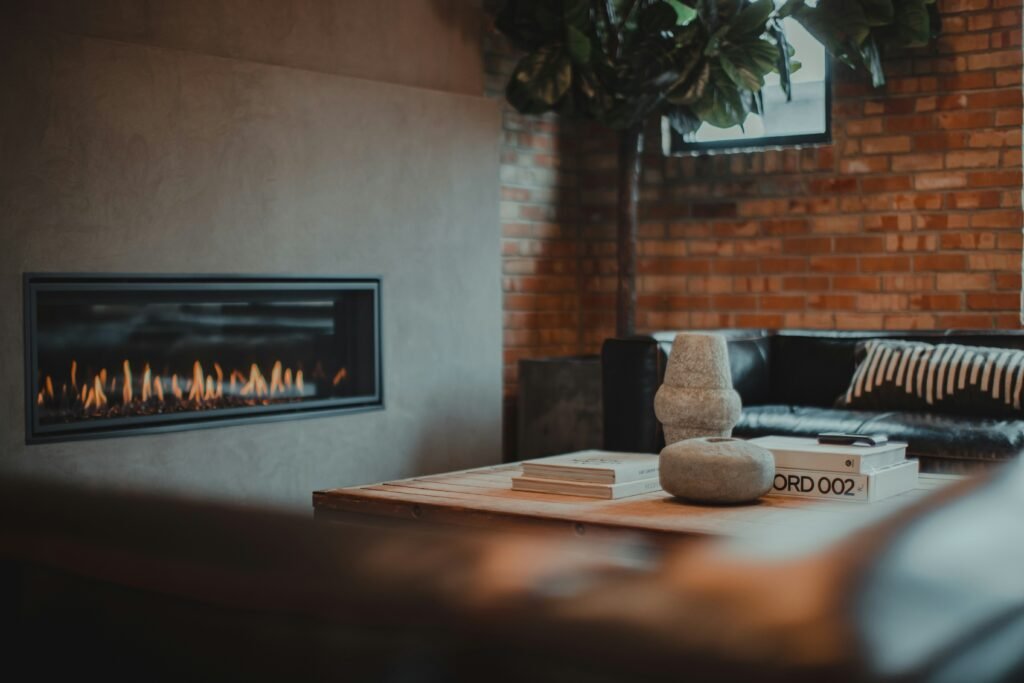
Creating a warm and inviting space is about more than decoration. It is about designing a home that feels comfortable, balanced, and emotionally welcoming. By using warm colors, layered textures, soft lighting, natural materials, and personal touches, you can transform any space into a place where people feel relaxed and at ease.
With thoughtful choices and attention to detail, your home can become a warm retreat that welcomes you every day.