Introduction to Minimal Décor
Minimal décor is more than just a design trend; it is a lifestyle choice that focuses on simplicity, balance, and purpose. Styling a room with minimal décor helps create a calm and clutter-free environment that feels both modern and timeless. By using fewer elements thoughtfully, you can highlight quality, space, and light instead of overwhelming the room.
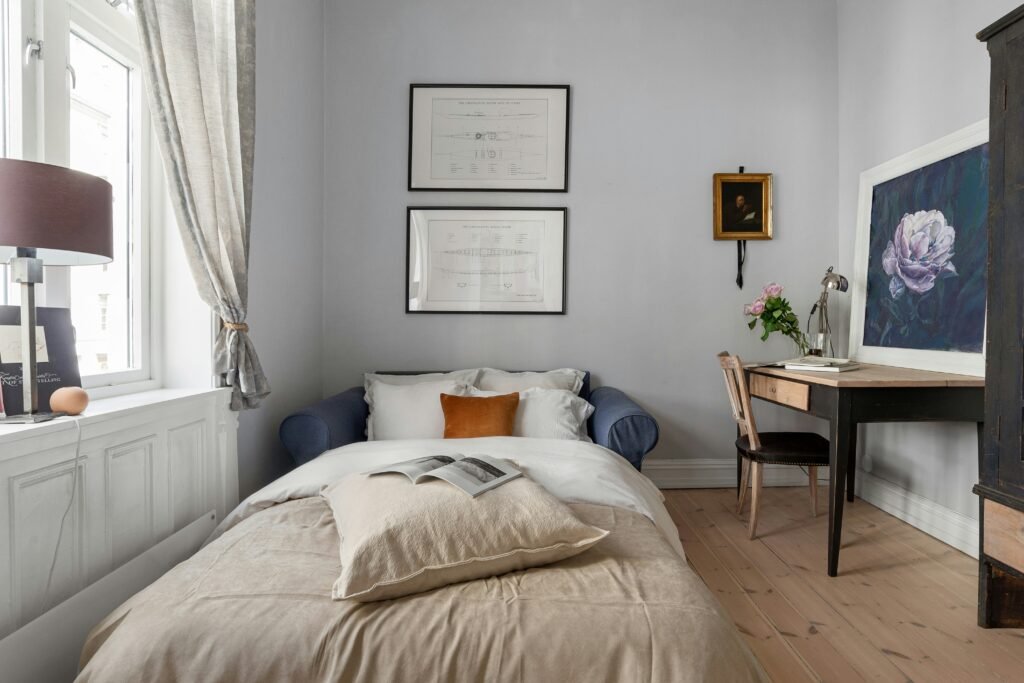
Table of Contents
Minimal works well in all types of homes, from small apartments to large houses. It allows each item to stand out while maintaining harmony throughout the space. With the right approach, décor can make any room feel elegant, airy, and highly functional.
Understanding the Concept of Minimal Décor
What Minimal Décor Really Means
Minimal décor is not about having an empty or boring room. It is about choosing essentials carefully and removing unnecessary items. Every piece in a minimally decorated room serves a purpose, whether functional or aesthetic.
This style emphasizes sleek lines, airy layouts, and a carefully restrained color scheme.. Minimal encourages intentional living, where quality matters more than quantity.
Why Minimal Décor Is So Popular
The popularity of comes from its calming effect and visual clarity. In a fast-paced world, people prefer homes that offer peace and relaxation. A minimalist space feels organized, breathable, and easy to maintain.
Minimal also adapts well to changing trends. Since the base design is simple, you can update the room easily without a complete makeover.
Why Minimal Décor Is So Popular
Define the Purpose of the Room
Before styling any room with, understand how the space will be used. A bedroom needs a different approach compared to a living room or home office. Defining the room’s purpose helps you choose only what is truly necessary.
When the function is clear, it becomes easier to avoid clutter and distractions. This clarity is the foundation of successful .
Create a Mood in Your Mind
Visualize how you want the room to feel once it is complete. Whether you want it cozy, bright, or sophisticated, your vision will guide every design choice. Minimal relies heavily on mood rather than excess decoration.
A clear mental image ensures consistency and prevents unnecessary additions.
Choose a Neutral Color Palette
Importance of Neutral Colors in Minimal Décor
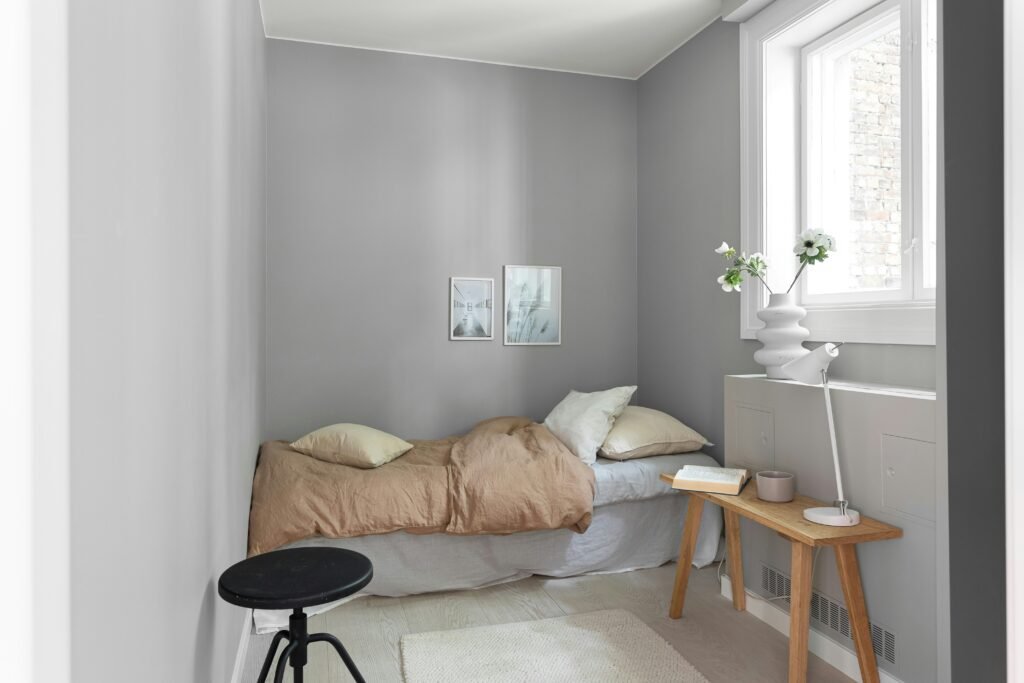
Neutral colors are a key element of because they create a sense of openness and calm. Shades like white, beige, gray, and soft earth tones form a soothing backdrop. These colors make rooms feel larger and brighter.
A neutral base allows furniture and textures to stand out without overpowering the space.
Adding Depth Without Overdoing Color
While décor favors neutral tones, that doesn’t mean the room must look flat. Gentle shifts in tone help create dimension and visual appeal. Using warm and cool neutrals together creates balance.
This approach keeps the room visually engaging while maintaining simplicity.
Focus on Quality Over Quantity
Invest in Fewer, Better Pieces
In minimal décor, each item plays an important role. Instead of filling the room with many accessories, invest in fewer high-quality pieces. Well-crafted furniture and décor items instantly elevate the space.
Quality materials also last longer, making minimal décor both stylish and practical.
Let Each Item Breathe
Spacing is essential when styling with minimal . Leaving space around furniture and décor allows each piece to shine. Crowded rooms lose the essence of minimalism.
Proper spacing enhances visual flow and makes the room feel calm and organized.
Select Simple and Functional Furniture
Clean Lines and Simple Shapes
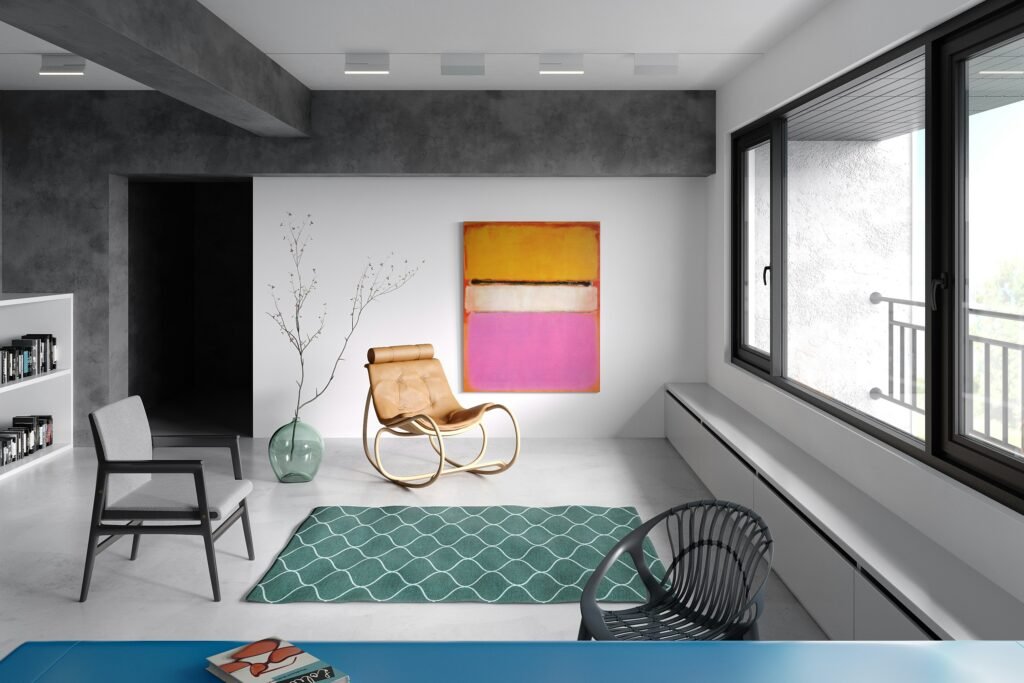
Furniture with clean lines and simple silhouettes is ideal for minimal . Avoid overly decorative or bulky designs. Sleek sofas, straight-edged tables, and streamlined chairs work best.
These designs keep the room visually light and modern.
Multi-Functional Furniture Choices
Minimal benefits greatly from furniture that serves multiple purposes. Storage ottomans, beds with drawers, or extendable tables reduce the need for extra items. This keeps the room functional without clutter.
Smart furniture choices support the minimalist lifestyle effectively.
Declutter Before You Decorate
The Role of Decluttering in Minimal Décor
Decluttering is a crucial step in achieving minimal décor. Remove items that are broken, unused, or no longer bring value. A clutter-free base allows the design to shine naturally.
Decluttering also improves mental clarity and comfort within the space.
Keep Only What Matters
Minimal décor encourages keeping items that are meaningful or necessary. Decorative pieces should have emotional value or aesthetic purpose. This makes the room feel personal yet simple.
Intentional selection creates a deeper connection with your space.
Use Texture to Add Warmth
Importance of Texture in Minimal Spaces
Without heavy decoration, texture becomes essential in minimal décor. Soft rugs, linen curtains, wooden surfaces, and cozy throws add warmth and comfort. Texture prevents the room from feeling cold or plain.
Layering textures subtly enhances visual interest without clutter.
Balance Different Materials
Mixing natural materials like wood, stone, and fabric creates harmony. The blend of sleek and textured finishes brings depth to the overall design. Minimal thrives on this quiet complexity.
Balanced textures keep the room inviting and stylish.
Let Natural Light Take Center Stage
Maximizing Natural Light
Natural light is a powerful element in minimal. Keep windows uncovered or use sheer curtains to allow sunlight to flow freely. Bright spaces feel open and refreshing.
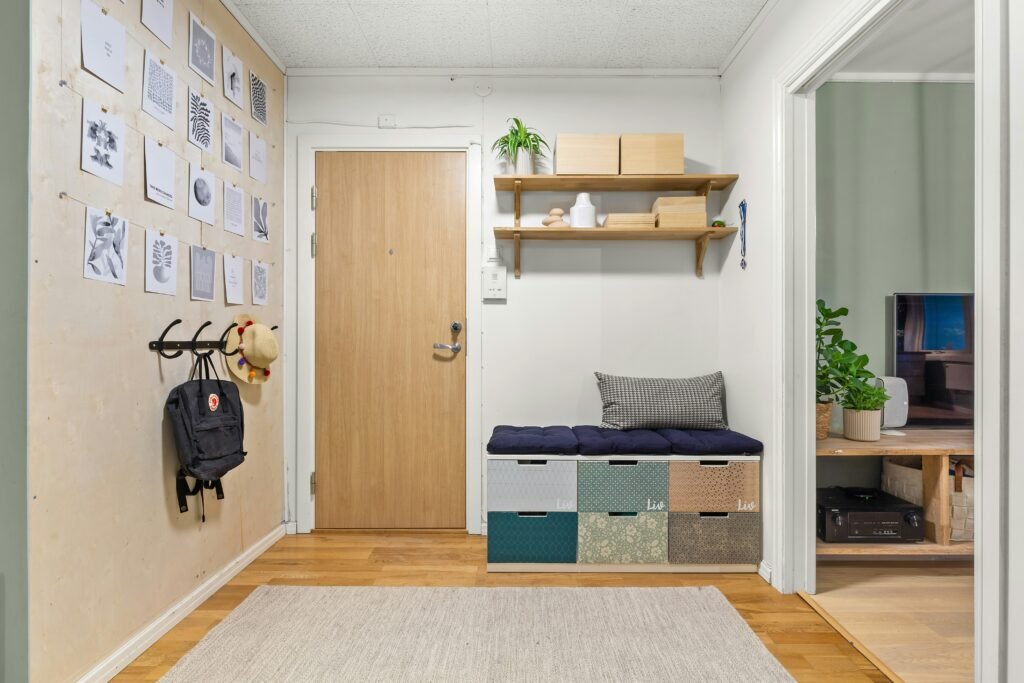
Good lighting enhances colors, textures, and overall mood.
Artificial Lighting with Purpose
When natural light is limited, choose simple lighting fixtures. Recessed lights, floor lamps, or pendant lights with clean designs work best. Lighting should support function and atmosphere.
Well-planned lighting completes a minimalist room beautifully.
Add Minimal Wall Décor
Keep Walls Simple and Intentional
In minimal décor, walls should feel open and uncluttered. Instead of filling every wall, choose one or two focal pieces. A single artwork or framed print can make a strong statement.
Negative space is just as important as decoration.
Choose Art That Reflects Simplicity
Abstract art, line drawings, or nature-inspired prints suit minimal perfectly. Stick to neutral or muted tones to maintain harmony. Art should complement, not dominate, the room.
Thoughtful wall décor adds personality without excess.
Incorporate Greenery Thoughtfully
Plants as Natural Décor
Plants bring life and freshness to minimal. A single large plant or a few small ones can transform the room. Greenery adds color naturally without overwhelming the design.
Plants also improve air quality and mood.
Keep Plant Choices Simple
Choose low-maintenance plants with clean shapes. Avoid overcrowding with too many planters. Minimal favors simplicity even in greenery.
Strategic placement keeps the room balanced and calm.
Maintain Visual Balance
Symmetry and Asymmetry in Minimal Décor
Balance is essential when styling a room with décor. Symmetry creates a formal and calm look, while asymmetry adds subtle interest. Both approaches work when used intentionally.
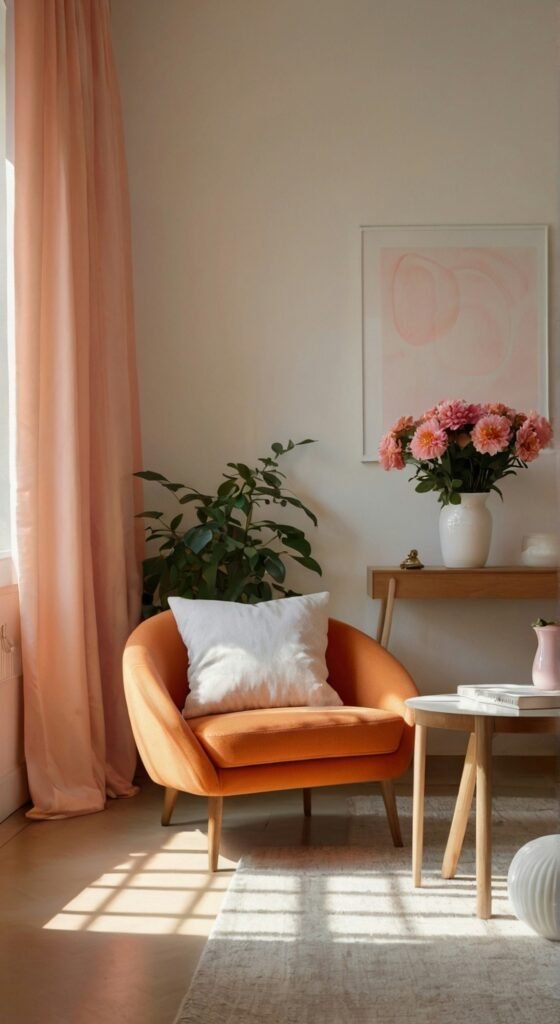
Balanced arrangements prevent visual chaos.
Avoid Over-Styling
Resist the urge to add more items once the room feels complete. Minimal shines when restraint is practiced. Over-styling can quickly take away from the minimalist effect.
Knowing when to stop is key to success.
Keep Accessories to a Minimum
Choose Meaningful Accessories
Accessories in should be few but impactful. A vase, a sculptural object, or a candle can add character. Each accessory should earn its place.
Meaningful pieces create a curated look.
Stick to a Consistent Style
Ensure accessories match the overall theme and color palette. Consistency maintains harmony and avoids visual clutter. décor relies on cohesion.
Unified styling enhances elegance.
Maintain the Minimal Look Over Time
Regular Editing and Updates
Minimal décor is not a one-time task. Regularly review your space and remove items that no longer fit the design. This keeps the room fresh and organized.
Ongoing editing supports a minimalist lifestyle.
Embrace Simplicity as a Habit
Living with encourages mindful consumption. Before adding anything new, consider its purpose and impact. This mindset helps maintain balance long-term.
Simplicity becomes a natural part of daily life.
Conclusion
Styling a room using is about intentional choices, thoughtful design, and appreciating simplicity. By focusing on quality, function, and balance, you can create a space that feels peaceful and stylish. Minimal allows your home to breathe, reflect your personality, and adapt over time.
When done correctly, transforms any room into a timeless and inviting environment. With patience and clarity, you can enjoy a space that looks beautiful and feels truly comfortable.
- Read Next Post