Walk into any beautifully designed living room and you’ll notice something before the furniture, art, or rug: the light. Good lighting can make a bargain sofa look luxe, turn plain walls into a soft backdrop, and make every evening feel like a cozy event.
That’s why learning How to Use Lighting to Change Your Living Room is one of the smartest upgrades you can make. You don’t need to knock down walls or buy new furniture—just adjust how, where, and when light appears in your space.
In this guide, we’ll break down How to Use Lighting to Change Your Living Room step by step: from choosing the right bulbs to layering lamps, highlighting artwork, and creating moods for movie nights, parties, and quiet Sunday mornings. All of these ideas are practical, renter‑friendly, and easy to implement even if you’ve never thought about lighting design before.
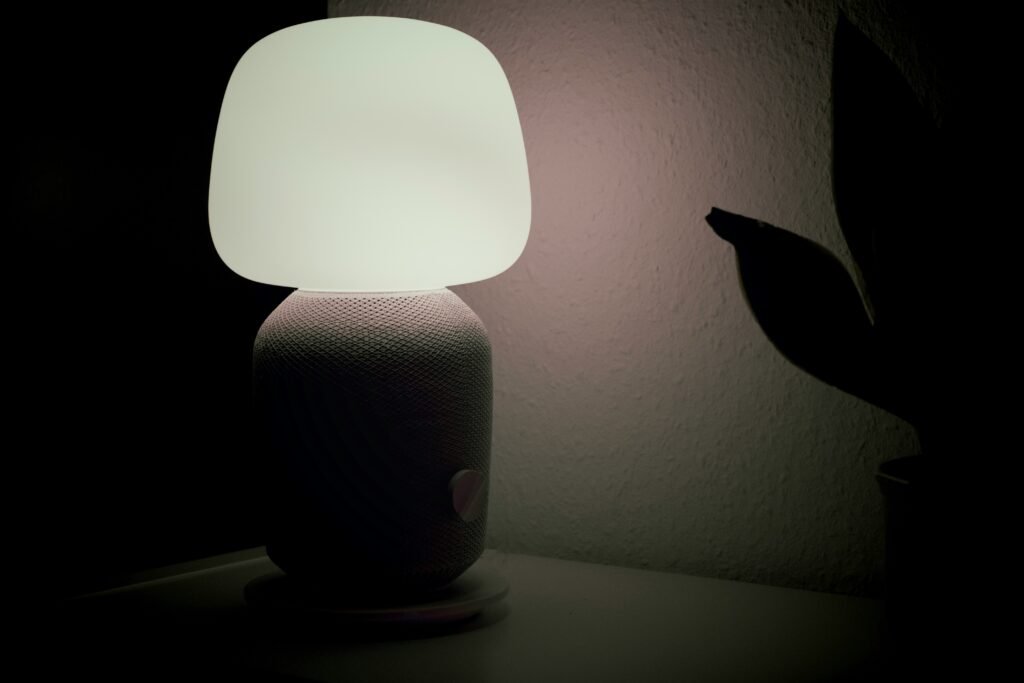
Table of Contents
Why Lighting Is the Fastest Way to Transform a Room
If you want to know How to Use Lighting to Change Your Living Room, it helps to understand just how powerful light really is.
Color looks different under warm vs. cool bulbs.
Textures stand out when lit from the side rather than overhead.
Rooms feel bigger or smaller depending on where light hits.
Your own mood shifts with brightness and color temperature.
You can buy a new sofa and still hate your living room if the lighting is bad. But swap out a few bulbs, add a pair of lamps, and suddenly the same old furniture feels intentional and inviting. That’s the magic behind How to Use Lighting to Change Your Living Room without major renovations.
The Three Layers of Light (and Why You Need Them)
Most living rooms rely on a single overhead fixture. That’s like listening to a song with only one note. To master How to Use Lighting to Change Your Living Room, you need layers of light.
The Three Key Layers
Layer What It Does Typical Fixtures
Ambient Overall, general light Ceiling fixture, recessed lights, track
Task Focused light for activities Table/desk lamps, reading lamps, floor lamps
Accent accentuates features and mood while adding drama. Candles, LED strips, picture lights, and wall sconces
When all three layers work together, you get depth, flexibility, and comfort. Any plan for How to Use Lighting to Change Your Living Room should include at least one source from each column.
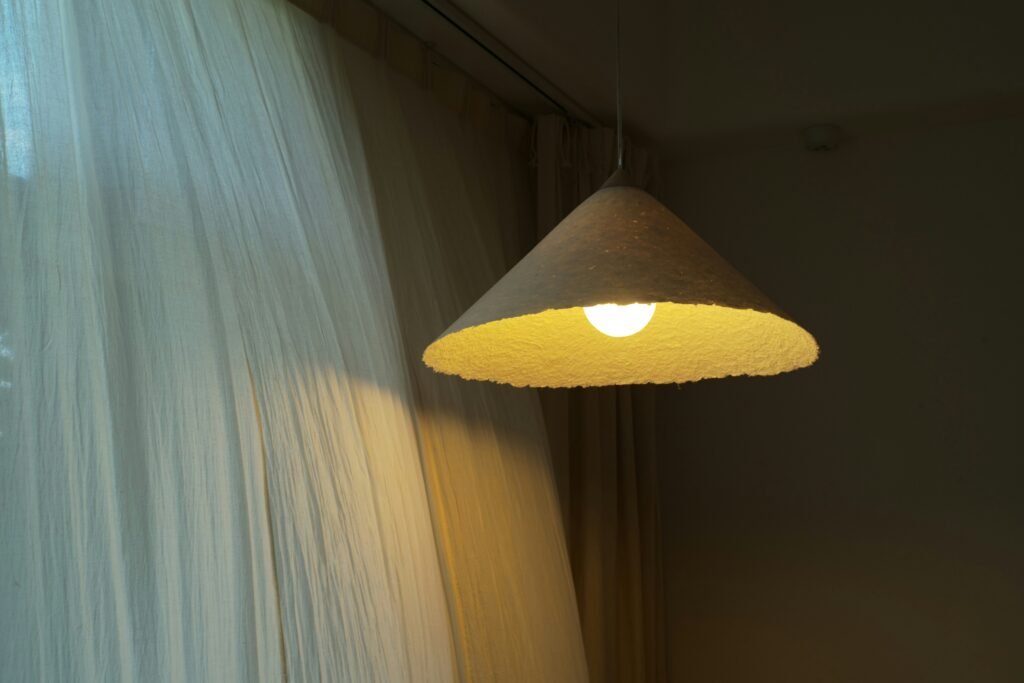
How to Use Lighting to Change Your Living Room: Start with a Vision
Before you buy anything, pause for a moment and decide what you want the room to feel like.
Ask yourself:
Do I want the space to feel calm and cozy, or bright and energizing?
What do we actually do here: watch TV, read, work, entertain guests, play with kids?
Which areas feel too dark or too harsh right now?
Write one sentence, such as:
“I want a cozy, comfortable area where I can host a few friends, read, and watch TV without the environment feeling depressing.”
That sentence becomes your roadmap for How to Use Lighting to Change Your Living Room. Every bulb, lamp, and fixture should support that feeling and those activities.
Select the Appropriate Bulbs: Brightness, Temperature, and Color
You can’t learn How to Use Lighting to Change Your Living Room without understanding two basic bulb concepts: color temperature and lumens.
Color Temperature (Kelvin)
2700–3000K – Warm white
Cozy, yellow‑ish glow (like traditional lamps).
Great for living rooms and bedrooms.
3500–4100K – Neutral white
Brighter, more “daylight” feel.
Good for kitchens and work areas.
5000K+ – Cool white / daylight
Very bright and white‑blue.
Best for task areas, not relaxing spaces.
For most people figuring out How to Use Lighting to Change Your Living Room, warm white (around 2700K) is the sweet spot.
Brightness (Lumens)
Instead of watts, look at lumens:
Table lamp: 400–800 lumens
Floor lamp: 800–1600 lumens
Overhead fixture (for a medium room): 2,000–3,000 lumens total
Having multiple medium‑bright lights is better than one super bright source. That’s key in How to Use Lighting to Change Your Living Room without glare.
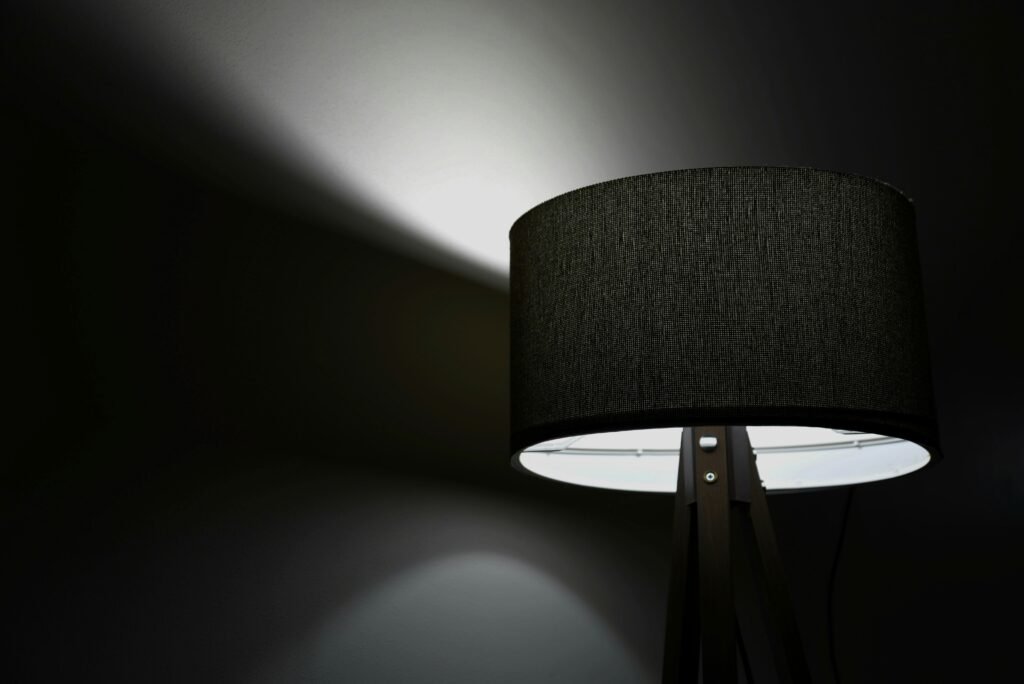
Build Your Lighting Plan in 5 Simple Steps
Here’s a practical framework for How to Use Lighting to Change Your Living Room that anyone can follow.
Step 1: Map the Activities
Mark on a rough floor plan:
TV / media area
Reading chair or sofa corner
Game or coffee table
Work-from-home spot (if any)
Each area will need its own task and accent lighting.
Step 2: Fix the Ambient Lighting
Check your overhead fixtures:
Too harsh? Replace bulbs with warm white and add a dimmer.
Too dim? Increase the number of fittings (track lights, another ceiling light) or use floor lamps more frequently.
Ambient light should give an even base, not blind you.
Step 3: Layer in Task Lighting
For each activity zone, add:
A reading lamp next to your favorite chair.
A table lamp on the side table near the sofa.
A small desk lamp if you occasionally work in the living room.
Think of this stage of How to Use Lighting to Change Your Living Room as giving every seat its own personal sun.
Step 4: Add Accent Lighting for Character
This is where things get fun:
Wall sconces flanking a piece of art.
LED strip on the back of the TV for a soft halo.
Picture light above a painting.
Uplight behind a plant to emphasize leaves.
Accent lights respond to the emotional side of How to Use Lighting to Change Your Living Room—they create drama and atmosphere.
Step 5: Control It All
Use:
Dimmers—at least on your main ceiling light.
Smart bulbs—pre‑set “scenes” like Movie Night, Reading, and Party.
Plug‑in timers—for lamps that you want on when you get home.
Control is what lets you fully enjoy How to Use Lighting to Change Your Living Room throughout the day and year.
Different Lighting Setups for Different Moments
Once you know How to Use Lighting to Change Your Living Room, you can change it on demand based on what’s happening.
Movie Night
Overhead lights: off or very dim.
Floor lamp behind the sofa: on low.
LED strip behind the TV: on low.
Optional: a candle or two on the coffee table.
Result: enough light to move around safely, but no glare on the screen.
Reading Afternoon
Natural light: curtains open, blinds angled to avoid direct glare.
Reading lamp next to your chair: medium brightness.
Overhead light: off.
3. Friends Over for Drinks
Overhead: dimmed.
A mix of 3–5 table and floor lamps around the room.
Accent lights on artwork or shelves.
Good lighting makes people feel more confident and relaxed—one of the underrated perks of understanding How to Use Lighting to Change Your Living Room.
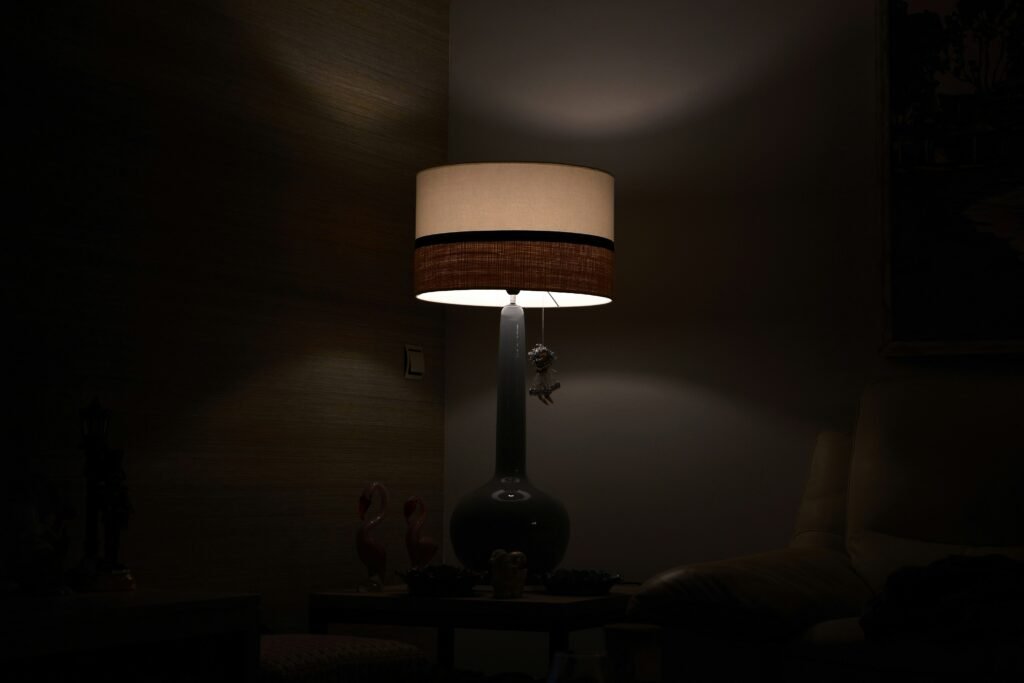
Special Tips for Common Living Room Challenges
Small Living Room
To learn How to Use Lighting to Change Your Living Room when space is tight:
Use wall sconces or slim floor lamps instead of big table lamps.
Bounce light off the ceiling by aiming adjustable heads upward.
To double the light, use mirrors across from windows or lamps.
B. Dark, North‑Facing Living Room
Choose warm white bulbs to counter the cool natural light.
Use more lamps than you think you need—maybe 5–7 total.
Avoid gray‑on‑gray; side‑light textured walls so they don’t look flat.
C. Open‑Plan Living / Dining Area
When learning How to Use Lighting to Change Your Living Room in an open plan:
Use a pendant light above the dining table to define that area.
Use floor and table lamps to create a separate cozy “bubble” for the living room.
Put the two zones on different dimmers so you can adjust them independently.
D. Rental Apartments
You can still master How to Use Lighting to Change Your Living Room in a rental:
Use plug‑in wall sconces—no hardwiring required.
Choose smart bulbs instead of installing a new fixture.
Add clip‑on or rail lights to bookcases for instant built‑in vibes.
Creative Lighting Ideas That Double as Décor
Lighting doesn’t only brighten; it can be art in itself. When you’re exploring How to Use Lighting to Change Your Living Room, think creatively.
Statement floor lamp – an arc lamp over the sofa or tripod lamp in a corner.
Cluster of pendants – over the coffee table (use dimmers and low wattage).
Fairy lights in a large glass jar – pretty and inexpensive.
Backlighting plants – put a small spotlight behind a tall plant for dramatic shadows.
Shelf lighting – LED strips under shelves highlight books and objects.
Every decorative light serves a dual purpose: function + beauty. That’s advanced‑level How to Use Lighting to Change Your Living Room without clutter.
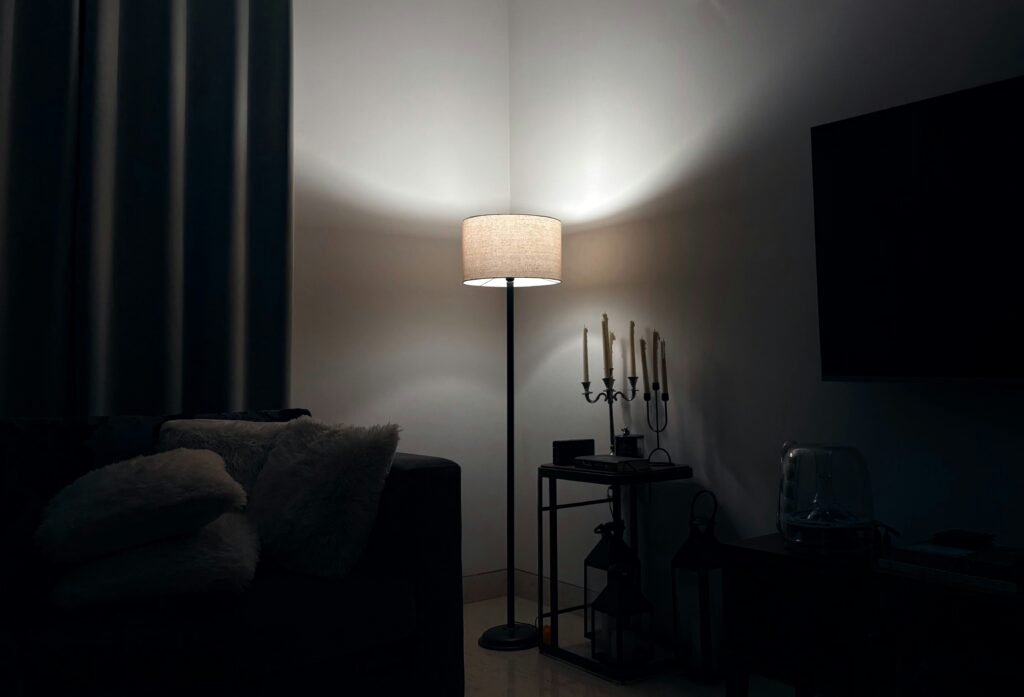
Common Lighting Mistakes (and Easy Fixes)
Even with the best intentions, it’s easy to get lighting wrong. Understanding these mistakes is essential to mastering How to Use Lighting to Change Your Living Room.
Only one overhead light
Fix: Add at least two more lamps at different heights.
Cold, bluish bulbs in a cozy room
Fix: Swap for warm white (2700–3000K).
Shades that block too much light
Fix: Use lighter‑colored or more translucent shades.
Lamps all at the same height
Fix: Mix floor lamps, table lamps, and sconces for more visual interest.
Glare on the TV
Fix: Move lamps so they’re behind the screen or off to the side; add a soft backlight behind the TV.
Every fix brings you closer to understanding How to Use Lighting to Change Your Living Room like a professional designer.
Recommended Reading
FAQs – How to Use Lighting to Change Your Living Room
1. What’s the first step in How to Use Lighting to Change Your Living Room?
Start by observing your current space at different times of day. Note where it feels too dark, too bright, or flat. Then change your bulbs to warm white and begin layering in table and floor lamps. This basic shift is the foundation of How to Use Lighting to Change Your Living Room effectively.
2. How many light sources should a living room have?
Most designers recommend at least five to seven light sources in an average‑sized living room. That might sound like a lot, but when you’re applying How to Use Lighting to Change Your Living Room, remember that not all lights are on at once. Different combinations create different moods.
3. Can I use smart bulbs instead of buying new fixtures?
Yes. Smart bulbs are one of the easiest tools for How to Use Lighting to Change Your Living Room because you can change color temperature, dimness, and even schedule lights from your phone—without touching your wiring or replacing fixtures.
4. What’s better for a living room: floor lamps or table lamps?
Both matter. Floor lamps are great for corners and reading spots, while table lamps add cozy pools of light on side tables and consoles. When figuring out How to Use Lighting to Change Your Living Room, think of floor lamps as structure and table lamps as details.
5. How bright should my living room be?
A good rule of thumb is 20 lumens per square foot for general lighting, then add task and accent lights as needed. But brightness is also about flexibility. That’s why dimmers and multiple light sources are essential to How to Use Lighting to Change Your Living Room for different occasions.
6. What if my living room has no ceiling light at all?
You can still apply How to Use Lighting to Change Your Living Room with plug‑in fixtures. Use a combination of floor lamps, table lamps, and maybe a plug‑in pendant hung from a ceiling hook. Arrange them so light overlaps and there are no dark corners.
7. Do candles really make a difference to lighting?
Absolutely. While they’re not your main light source, candles add a flickering, warm layer that changes how everything else looks. They’re the finishing touch in How to Use Lighting to Change Your Living Room for special evenings or relaxing nights in.
Conclusion: Light Is Your Most Powerful Design Tool
You don’t need a new sofa, fresh paint, or a bigger space to fall in love with your living room. You just need to understand How to Use Lighting to Change Your Living Room—how to layer light, control brightness, and place fixtures with intention.
Start small:
Swap harsh bulbs for warm ones.
Add a floor lamp to a dark corner.
Turn off the overheads and experiment with lamp combinations tonight.
As you keep playing with these ideas, you’ll see your space transform from flat and functional to warm, flexible, and full of character. When you learn How to Use Lighting to Change Your Living Room, you’re not just brightening a room—you’re changing the way it feels to live there, every single day.