Introduction
Living room wall art plays a vital role in defining the personality and atmosphere of your home. Walls are often the largest visual surfaces in a living room, and when styled thoughtfully, they can completely transform the space. The right wall art brings warmth, creativity, and a sense of completion to your interior design.
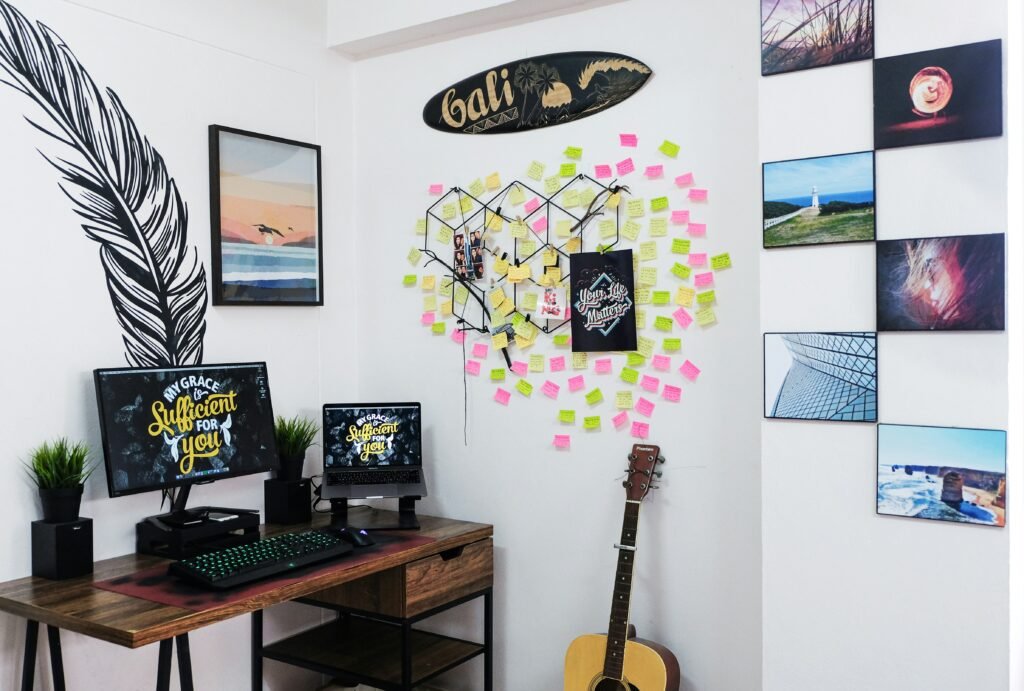
Rather than treating wall art as an afterthought, professional designers use it as a key design element. From bold statement pieces to subtle gallery arrangements, Living Room Wall Art helps express your taste and creates a living room that feels inviting, stylish, and memorable.
Why Wall Art Matters in Living Room Design
Why Wall Art Matters
Table of Contents
Wall art gives your living room identity and depth. It reflects your personality, interests, and lifestyle in a visual way. Without Living Room Wall Art, even a well-furnished living room can feel unfinished or lacking character.
Artwork also helps guide the eye and creates balance within the space. It connects furniture pieces, colors, and textures into one cohesive design.
How Wall Art Enhances the Overall Atmosphere
Wall art influences how a living room feels emotionally. Soft, calming artwork creates a relaxed environment, while bold and colorful pieces add energy and excitement. The right art choice can instantly change the mood of the room.
When chosen carefully, wall art makes your living room feel intentional and thoughtfully designed.
How to Select the Perfect Wall Art for Your Living Room
Modern Wall Art Ideas
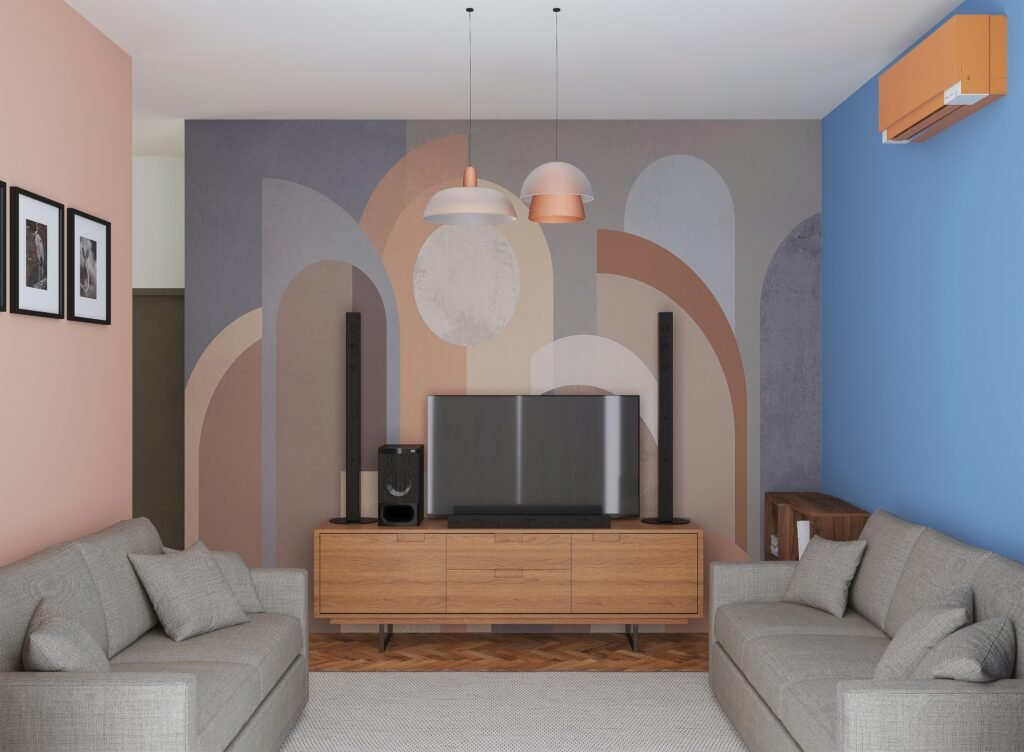
Modern living rooms benefit from clean, simple Living Room Wall Art designs. Abstract paintings, geometric prints, and black-and-white photography are popular choices. These styles complement modern furniture and minimal décor.
Keeping colors limited helps maintain a sleek and sophisticated look.
Traditional Wall Art Styles
Traditional living rooms look best with classic artwork such as landscapes, portraits, or vintage-inspired prints. Decorative frames in wood or gold finishes add elegance and timeless appeal.
Traditional wall art creates a warm and refined atmosphere.
Contemporary and Transitional Art
Contemporary Living Room Wall Art blends modern creativity with classic elements. This style works well in transitional living rooms where old and new design elements meet.
Balanced Living Room Wall Art choices ensure harmony between furniture and décor.
Creating a Gallery Wall That Stands Out
What Is a Gallery Wall
A gallery wall is a collection of multiple art pieces arranged together on one wall. It can include framed art, photographs, illustrations, and decorative objects. Gallery walls are excellent for showcasing personality.
They turn a plain wall into a visual focal point.
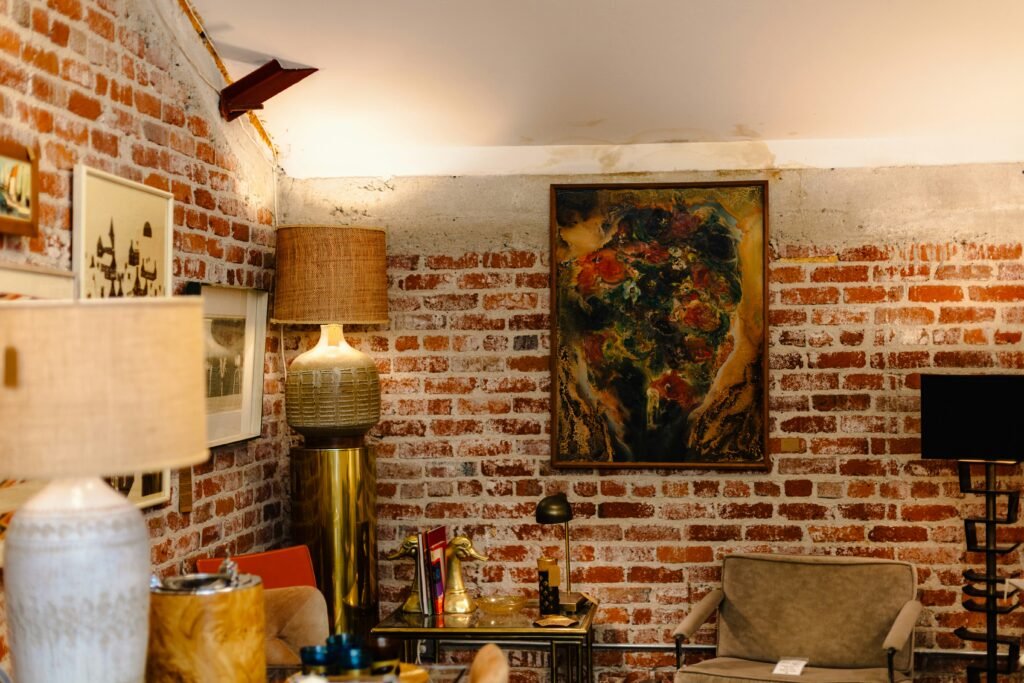
Planning a Gallery Wall Layout
Before hanging anything, plan your gallery wall on the floor. Arrange frames to test spacing and alignment. Maintaining consistent gaps between frames creates a polished look.
Planning prevents mistakes and uneven arrangements.
Choosing a Theme for Consistency
A gallery wall looks best when it follows a theme. This could be a shared color palette, similar frame styles, or a common subject. Themes help maintain visual balance.
Consistency keeps gallery walls stylish instead of chaotic.
Statement Wall Art for a Bold Look
Using One Large Art Piece
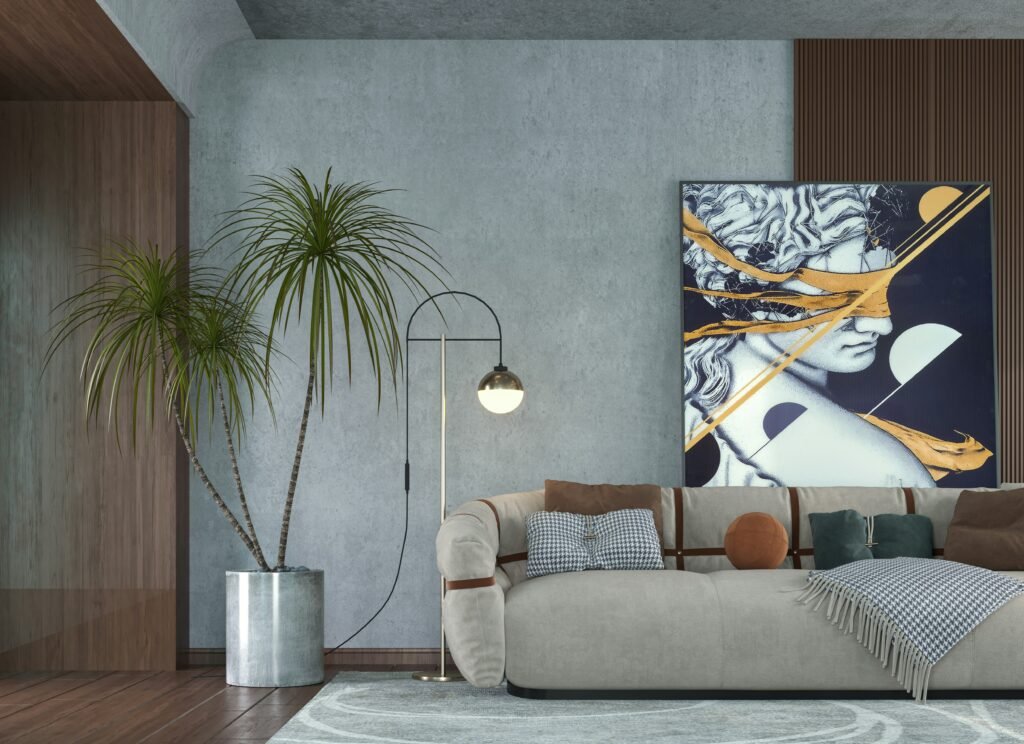
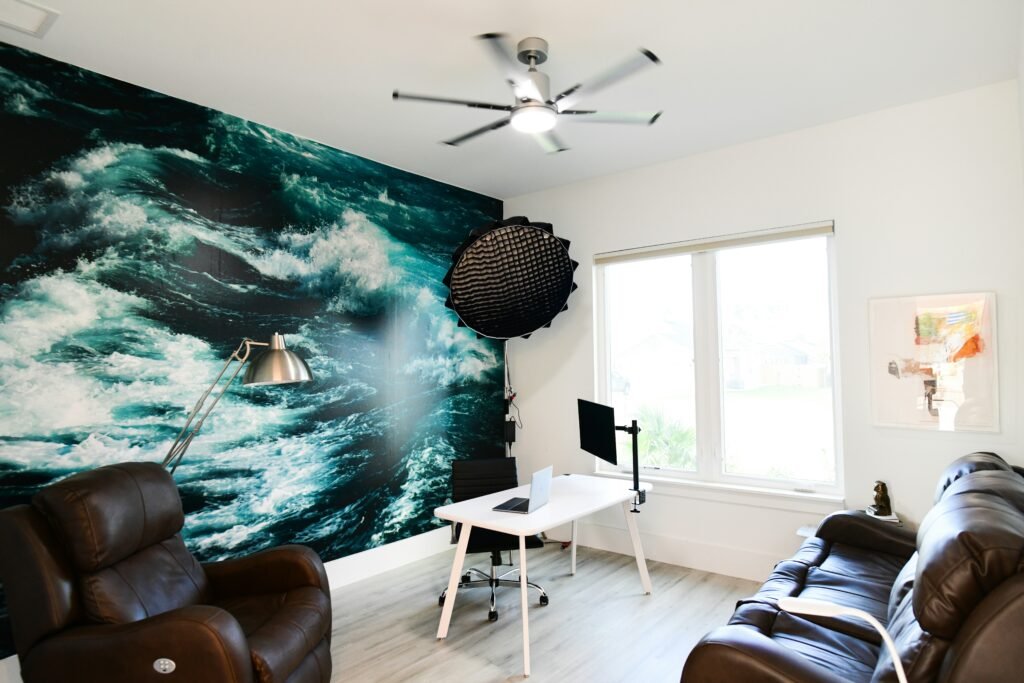
A single oversized artwork can make a strong statement in your living room. It simplifies wall décor while still creating visual impact. Large art pieces work especially well in modern and minimalist interiors.
One bold piece often feels more intentional than many small ones.
Best Placement for Statement Art
Statement art looks best above the sofa, fireplace, or main seating area. The artwork should be centered and sized proportionally to the furniture below.
Correct placement enhances its impact.
Using Color Psychology in Wall Art
How Colors Affect Mood
Colors in wall Living Room Wall Art play a powerful role in setting the mood of your living room. Warm colors like red and orange create energy, while cool tones like blue and green promote calmness.
Choosing the right colors helps control the room’s atmosphere.
Matching Wall Art with Your Color Scheme
Wall Living Room Wall Art should complement your existing color palette rather than clash with it. Repeating accent colors from cushions, rugs, or curtains creates harmony.
Color coordination improves visual flow.
Mixing Different Types of Wall Art
Combining Art Mediums
Using different types of Living Room Wall Art adds depth and interest. Mixing paintings, prints, photography, wall sculptures, and textile art creates a layered look.
Variety makes walls more dynamic.
Maintaining Balance While Mixing
When combining multiple art styles, balance is key. Keep the space balanced by avoiding clutter in one spot and emptiness in another. Spread visual weight evenly across the wall.
Balanced arrangements feel professional.
Decorative Mirrors as Wall Art
Why Mirrors Work as Art
Mirrors are both functional and decorative. They reflect light, making the living room feel brighter and more spacious. Decorative frames turn mirrors into beautiful wall art.
Mirrors are ideal for smaller living rooms.
Best Mirror Placement Tips
Place mirrors opposite windows to reflect natural light. Place mirrors carefully to avoid reflecting mess or unappealing views.
Strategic placement enhances elegance.
Wall Art Ideas for Small Living Rooms
Keep the Design Simple
In small living rooms, less is more. Choose a few meaningful art pieces instead of filling every wall. Minimal wall art helps the room feel open.
Simple designs prevent visual clutter.
Use Vertical Wall Art
Vertical artwork draws the eye upward, creating the illusion of higher ceilings. Tall frames and vertical arrangements work well in compact spaces.
Vertical lines add height.
Wall Art Ideas for Large Living Rooms
Filling Large Wall Spaces
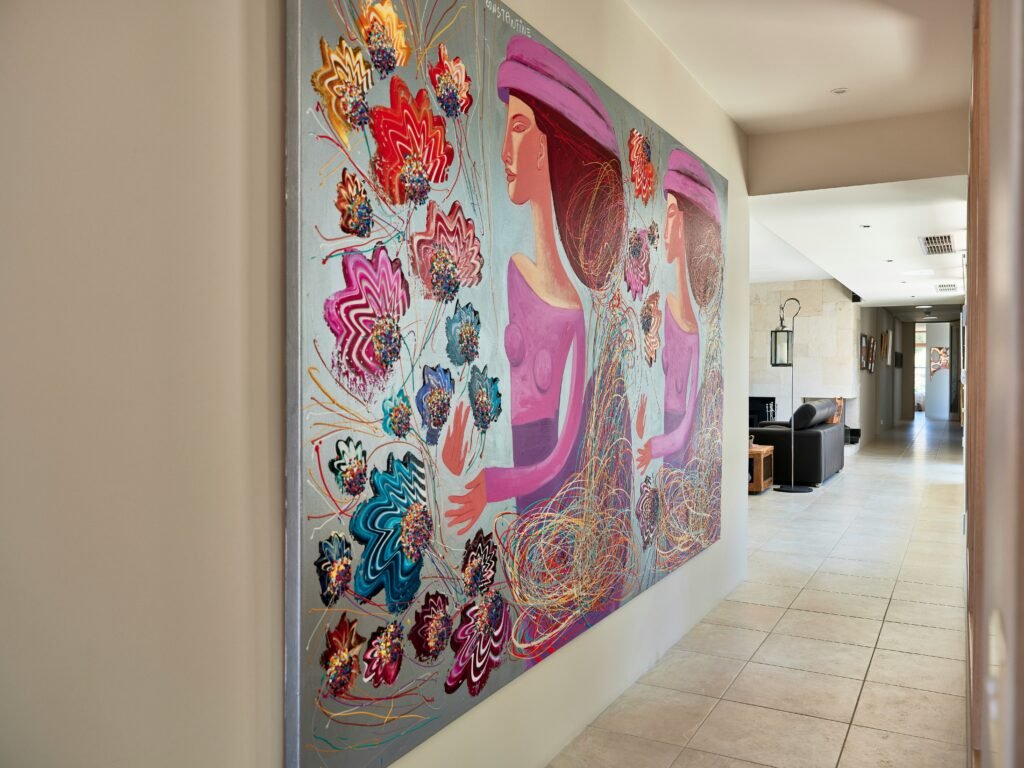
Large living rooms need appropriately sized wall art. Oversized paintings or wide gallery walls prevent walls from feeling empty or cold.
Scale is essential in large spaces.
Creating Art Zones
Divide large walls into sections using art. This technique adds structure and makes the space feel organized.
Zoning improves visual balance.
Budget-Friendly Living Room Wall Art Ideas
Affordable Artwork Options
You do not need expensive art to style your living room beautifully. Prints, posters, and downloadable artwork are affordable and stylish when framed properly.
Affordable art can still look high-end.
DIY Wall Art Projects
DIY wall art allows you to personalize your space while staying on budget. Canvas painting, fabric art, or framed quotes are simple yet impactful ideas.
Handmade art feels personal.
Using Wall Art to Highlight Furniture
Styling Art Above the Sofa
Artwork above the sofa should be proportional to the furniture. Ideally, it should cover about two-thirds of the sofa’s width for balance.
Proper sizing improves harmony.
Layering Art with Shelves
Wall art combined with shelves creates depth and interest. Small framed pieces mixed with décor objects look stylish.
Layering adds dimension.
Seasonal Wall Art Styling
Updating Art with Seasons
Switching wall art seasonally keeps your living room feeling fresh. Light themes work well in summer, while warm tones suit winter months.
Seasonal updates add variety.
Rotating Artwork
Rotate artwork instead of buying new pieces each season. This saves money and keeps décor feeling new.
Rotation is cost-effective.
Common Living Room Wall Art Mistakes
Hanging Art Too High
Artwork should be hung at eye level. Art placed too high feels disconnected from the rest of the room.
Correct height improves flow.
Overcrowding Walls
Too much wall art can overwhelm the space. Leaving some empty wall space helps artwork stand out.
Negative space is important.
Professional Wall Art Styling Tips
Planning Before Hanging
Use paper templates or lay artwork on the floor before hanging. This helps visualize spacing and alignment.
Planning prevents errors.
Keeping a Consistent Style
Choose similar frame finishes, colors, or themes for a cohesive look.
Consistency creates elegance.
Wall Art Ideas by Interior Style
Minimalist Living Rooms
Minimalist spaces benefit from simple, neutral artwork. One or two carefully chosen pieces are enough.
Minimal art feels refined.
Bohemian Living Rooms
Bohemian living rooms allow creative freedom. Mix textures, colors, and cultural art pieces for an expressive look.
Boho art feels vibrant.
Adding Personal and Cultural Touches
Displaying Meaningful Artwork
Choose wall art that has personal or cultural significance. These pieces make your living room feel unique and authentic.
Meaningful art tells a story.
Mixing Old and New Art
Combining vintage pieces with modern artwork adds depth and character to your living room.
Blending styles feels timeless.
Maintaining and Updating Wall Art Over Time
Protecting Your Artwork
Keep art away from direct sunlight to prevent fading. Clean frames regularly to maintain their appearance.
Proper care extends lifespan.
Refreshing the Look
As your style evolves, rearrange or replace wall art to keep your living room updated.
Flexible décor stays relevant.
Final Wall Art Styling Checklist
Before Hanging Art
Measure wall space, choose correct sizes, and plan layouts carefully.
Preparation ensures success.
After Completion
Step back and assess balance and alignment. Make small adjustments if needed.
Final touches perfect the design.
Conclusion
Living room wall art has the power to elevate your home and express your personality. By choosing the right styles, colors, sizes, and placements, you can create walls that feel stylish and meaningful.
With thoughtful planning and creativity, these living room wall art ideas you will love can help you design a space that feels beautiful, welcoming, and truly your own.